
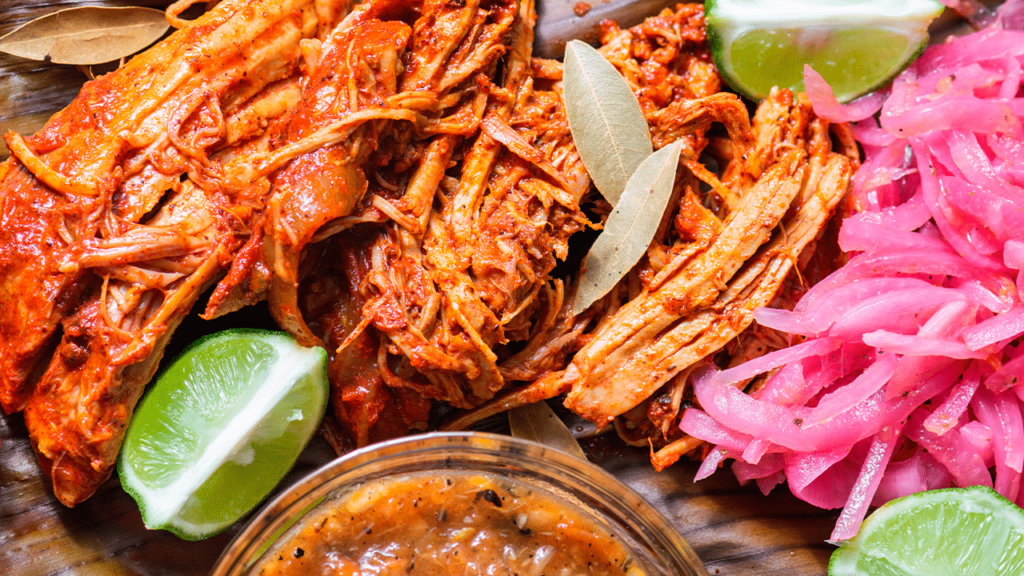
When you think of the Riviera Maya, images of turquoise waters and impenetrable jungles likely spring to mind. However, an equally vast and fascinating landscape awaits discovery through your sense of taste. The gastronomy of Quintana Roo is more than just a blend of ingredients; it is a living testimony of cultural resilience—a bridge connecting the splendor of the Mayan civilization with the Caribbean influences that arrived over time.
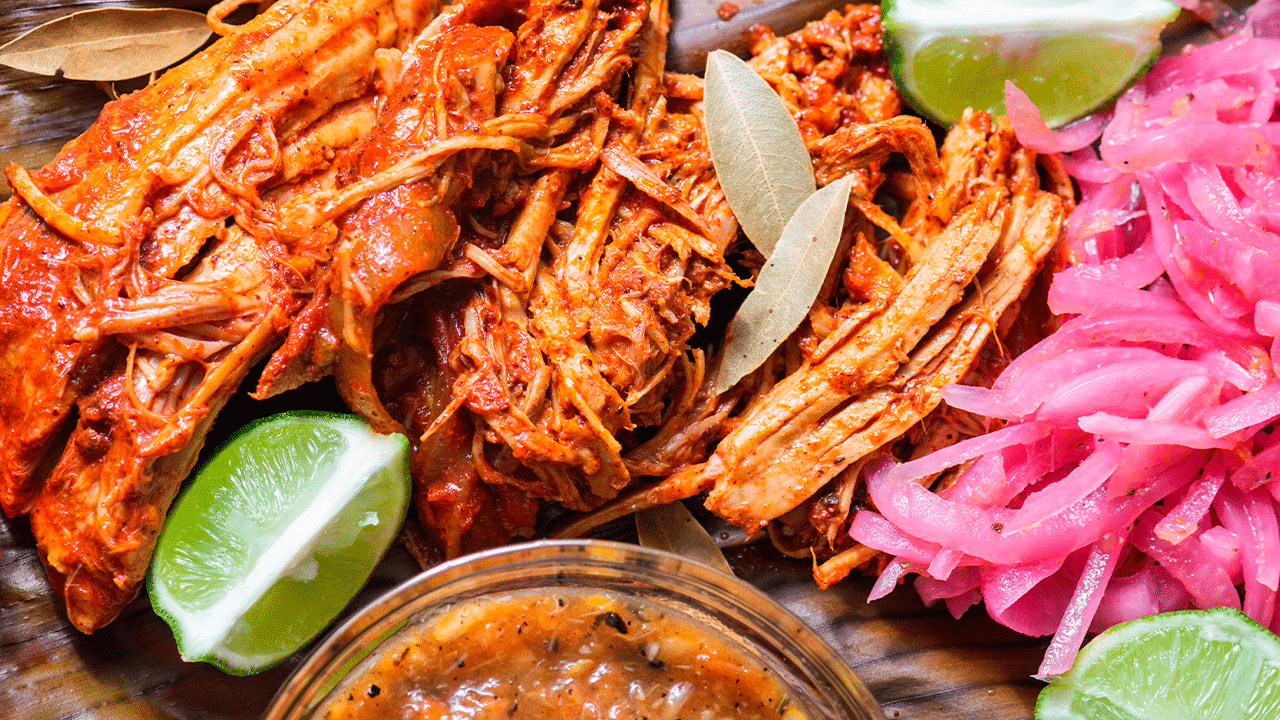
To truly understand this destination, you must taste it. What makes the food of Quintana Roo so special? The answer lies in its origin: the use of millenary techniques, respect for the earth’s cycles, and a pantry of native ingredients found nowhere else in the world.
Mayan heritage: The heart of peninsular cuisine
The foundation of every authentic dish in the region lies in the milpa and the Mayan solar (home garden). For the ancient inhabitants of these lands, eating was a sacred act. Today, as you wander through communities near Tulum or Playa del Carmen, you can still find that spiritual connection to the land.
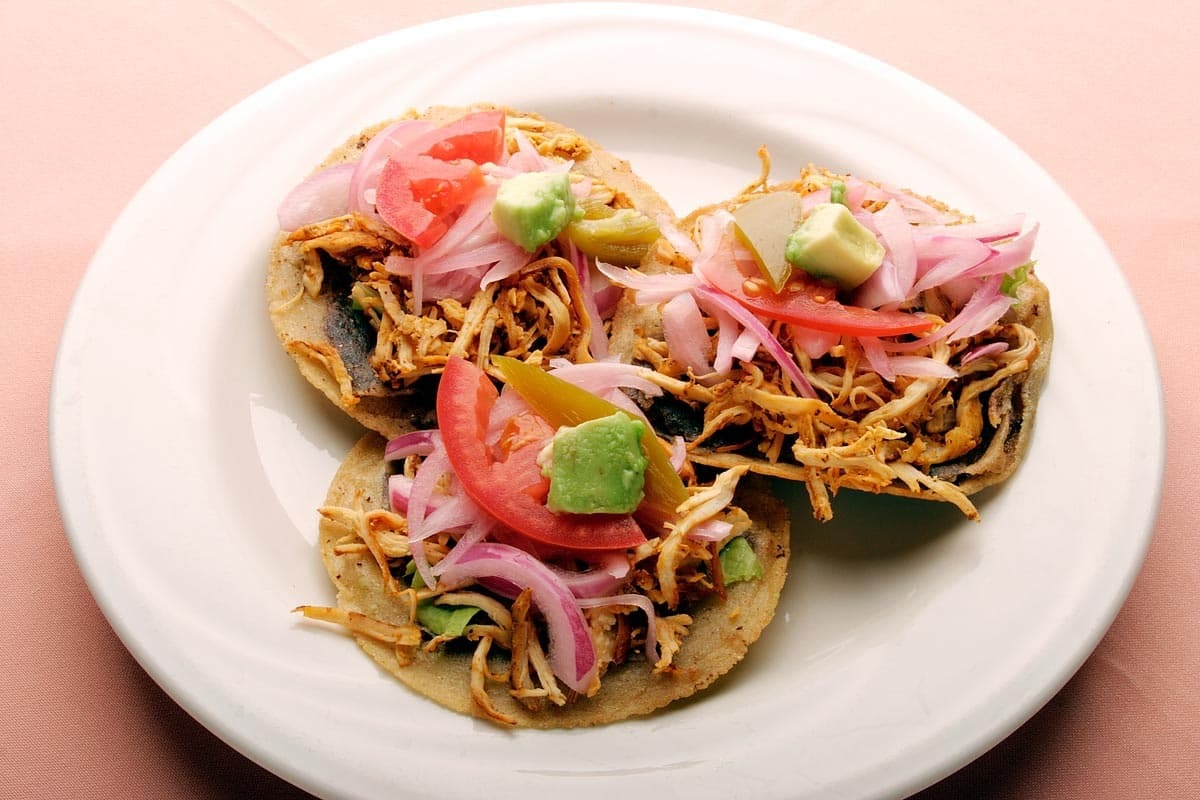
One of the fundamental pillars is corn—but not just any corn. Native varieties like nal t’eel are the backbone of the local diet. Through nixtamalization, an ancestral cooking technique using lime, the corn transforms into the dough that brings tortillas, panuchos, and salbutes to life, offering superior texture and nutritional value.
Native ingredients defining the Caribbean palate
Exploring the gastronomy of origin means recognizing the names and aromas that give this land its identity. What are the indispensable ingredients in Quintana Roo’s kitchen? Here are the stars of the table.
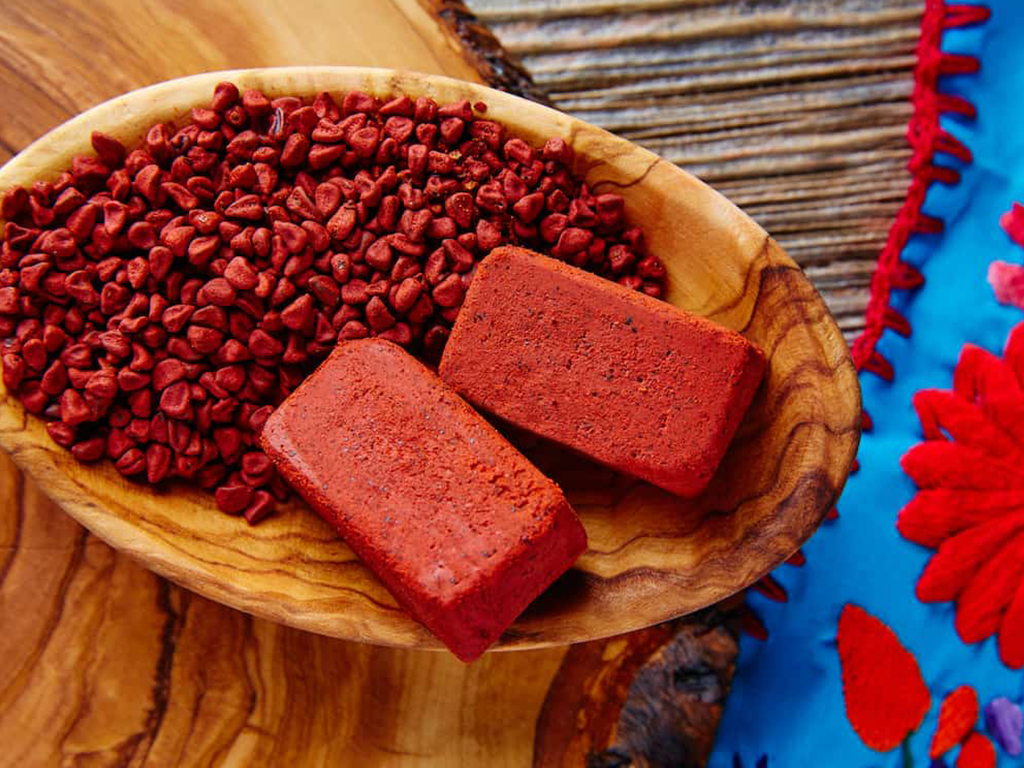
Achiote: The red gold of the jungle
This natural pigment, extracted from the seeds of a native shrub, is the soul of the region’s color and flavor. Achiote is used to prepare recado rojo, an aromatic paste rubbed onto meats and fish. Its earthy, slightly spicy flavor is the indisputable signature of dishes like cochinita pibil.
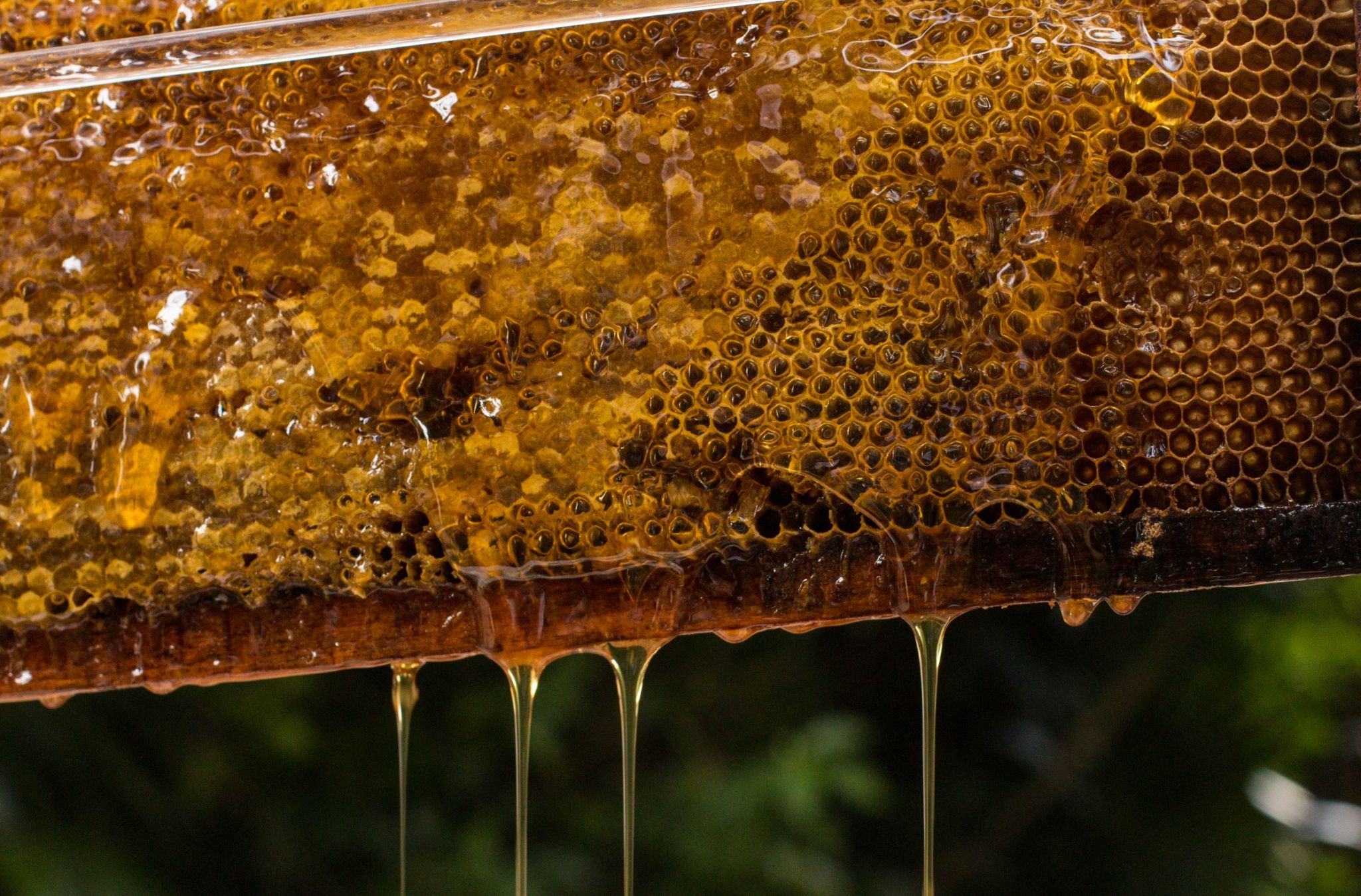
Melipona honey
The Melipona beecheii is a stingless bee that the Mayans have raised for centuries. Its honey is more than a sweetener; it is medicine and a gourmet ingredient of immense complexity. Its flavor is more acidic and floral than conventional honey, and its production is so limited that tasting it is a true privilege.
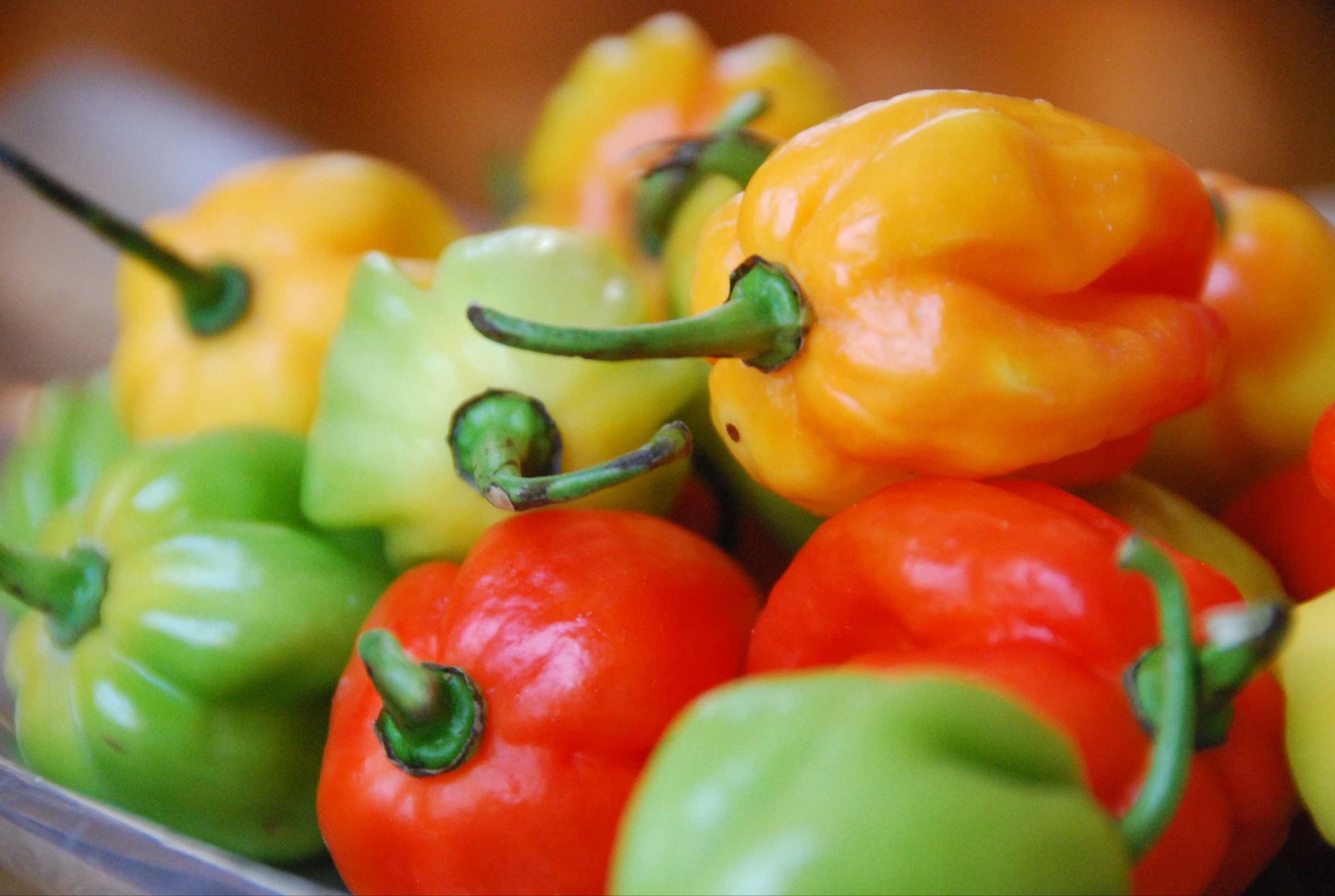
Habanero pepper
No meal in Quintana Roo is complete without the citrusy, pungent touch of the habanero pepper. While its heat is legendary, connoisseurs truly appreciate its fruity aroma. Whether in an xnipec sauce (with red onion and sour orange) or simply charred (tatemado), it is the soul of every meal.
Ancestral techniques: The art of the pib
If one technique defines this gastronomy of origin, it is the pib. This Mayan word refers to both the underground oven and the cooking method itself. How is an authentic dish cooked in a pib? The process is ritualistic:
- A pit is dug, and hot stones are placed at the bottom.
- The food, usually wrapped in banana leaves, is placed over the embers.
- The hole is sealed with earth, allowing the constant heat and smoke from local woods (such as zapote) to slow-cook the protein for hours.
This “burial” technique produces meats that melt at the touch and a smoky flavor that no modern kitchen can replicate. Tasting fish or meat prepared this way is a direct journey into the pre-Hispanic past.
From sea to table: The flavor of the Mexican Caribbean
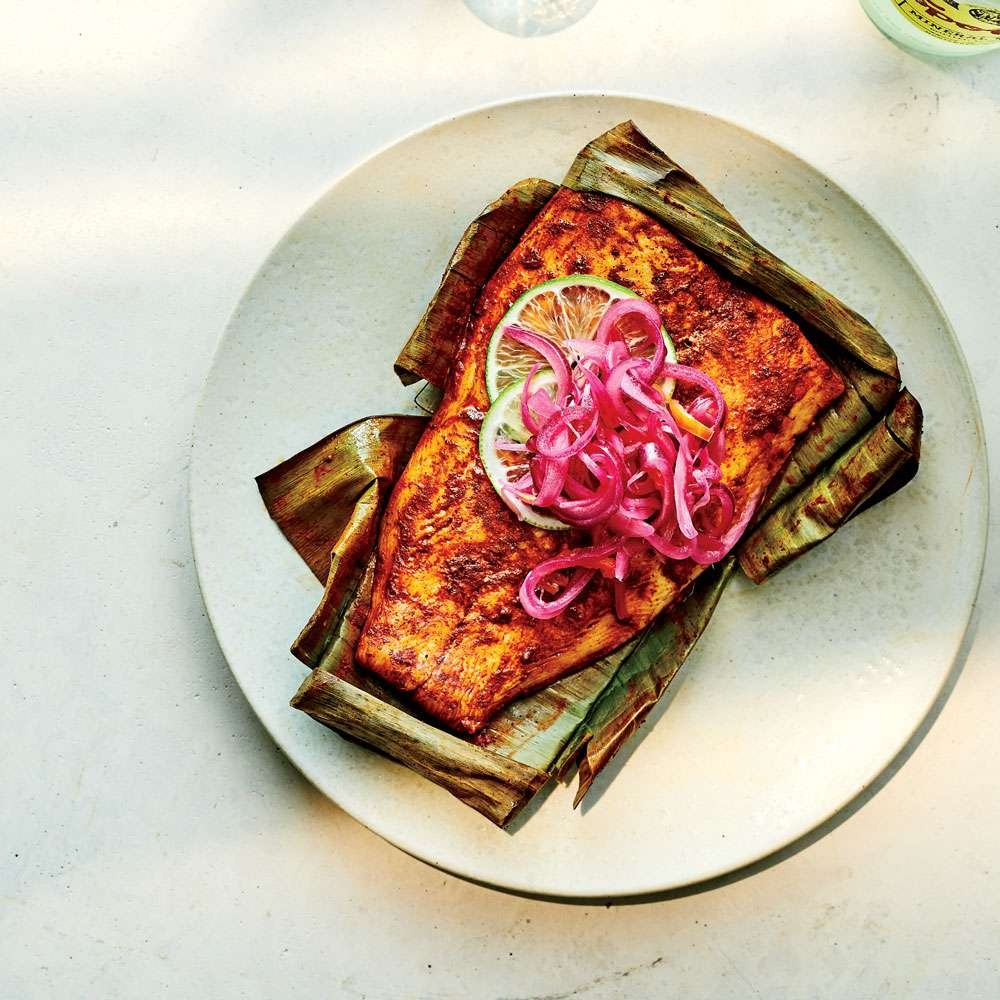
Quintana Roo cannot be understood without its coast. Unlike the interior of the peninsula, where meats predominate, in the Riviera Maya, the sea dictates the menu. Tikin Xic fish is perhaps the ultimate expression of this fusion. Marinated in achiote and sour orange, then grilled over wood embers inside a banana leaf, it represents the perfect harmony between jungle ingredients and Caribbean fruits.
Similarly, pink conch and lobster from the Cozumel and Banco Chinchorro areas are local treasures, prepared simply so the product can speak for itself. Freshness is the golden rule: the journey from the water to your plate is often measured in minutes.
Recado: The alchemy of spices
The concept of recado is essential. These are spice blends ground on metates or stone mills that serve as the base for almost all regional stews.
- Recado Negro: Made by burning dried chilies until carbonized, resulting in a dark paste with a deep, complex flavor. It is the base for the famous relleno negro.
- Recado Blanco: More delicate, featuring cloves, Tabasco pepper, and cumin—ideal for pucheros and poultry stews.
Understanding recado is understanding the patience and herbal knowledge of Quintana Roo families, who guard their proportions as state secrets.
Tips for an authentic culinary experience
To ensure your exploration of Quintana Roo’s flavors is a success, I suggest following these expert tips:
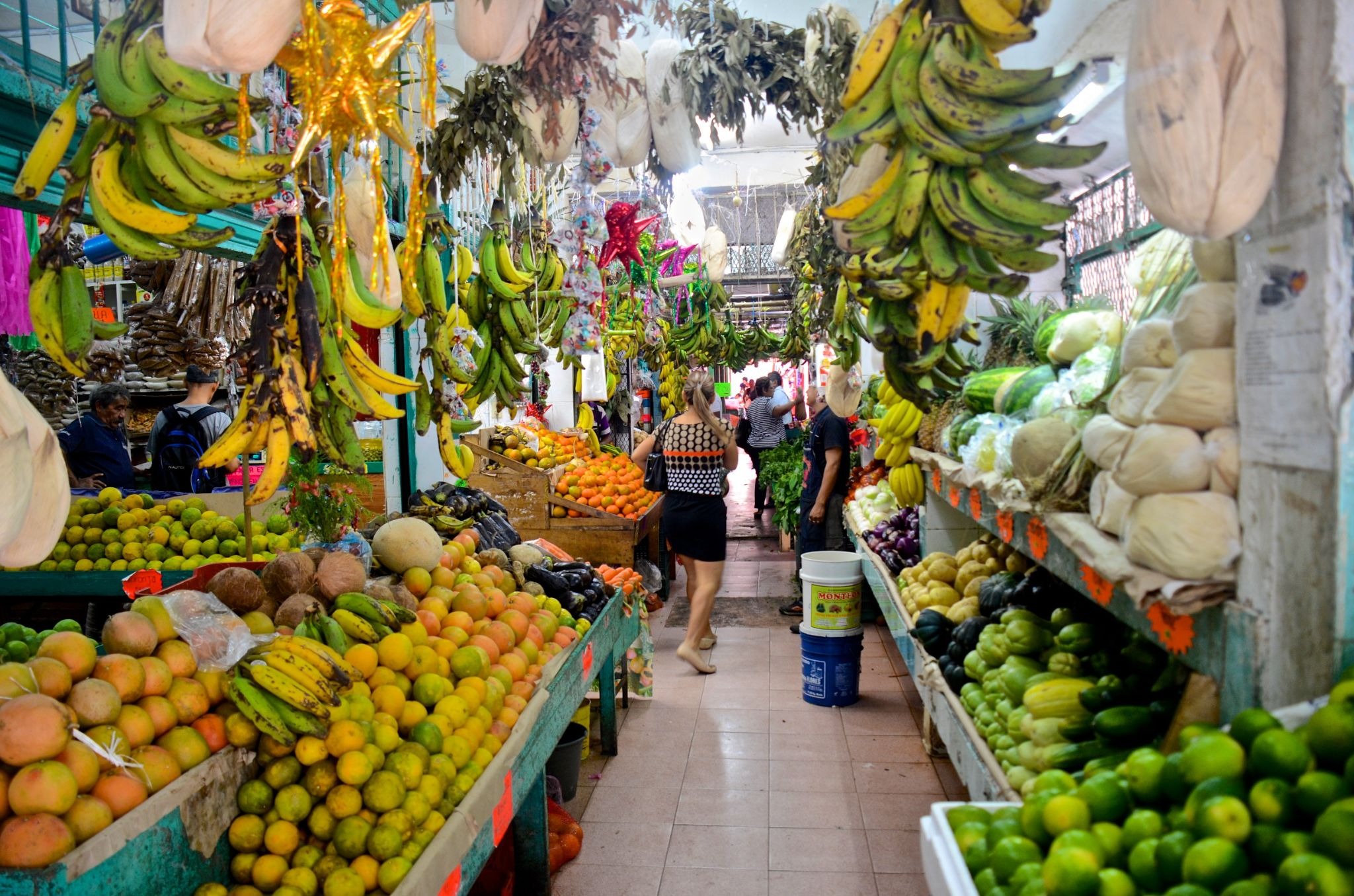
- Visit local markets: In cities like Playa del Carmen or Cancun, markets are the best place to find native fruits like zapote, pitaya (dragon fruit), or mamey in their purest state.
- Seek out “cooking of smoke”: Venture beyond the conventional tourist zones and look for restaurants or communities that still use firewood and earthen ovens. The flavor is irreplaceable.
- Ask about seasonality: Lobster and certain fish are subject to vedas (closed seasons) to protect the species. A true travel guru respects the environment and consumes what the season allows.
A commitment to origin
The gastronomy of Quintana Roo is a heritage we must protect. By choosing experiences that honor local producers and preserve ancestral techniques, you help keep these traditions alive for future generations.
Exploring the Riviera Maya through its kitchens is discovering that luxury lies not only in infrastructure but in the depth of a recipe that has endured for a thousand years. It is feeling the heat of the comal, the scent of achiote, and the hospitality of a people who share their heart in every bite.
Which native ingredient are you most excited to discover on your next visit to the Riviera Maya?