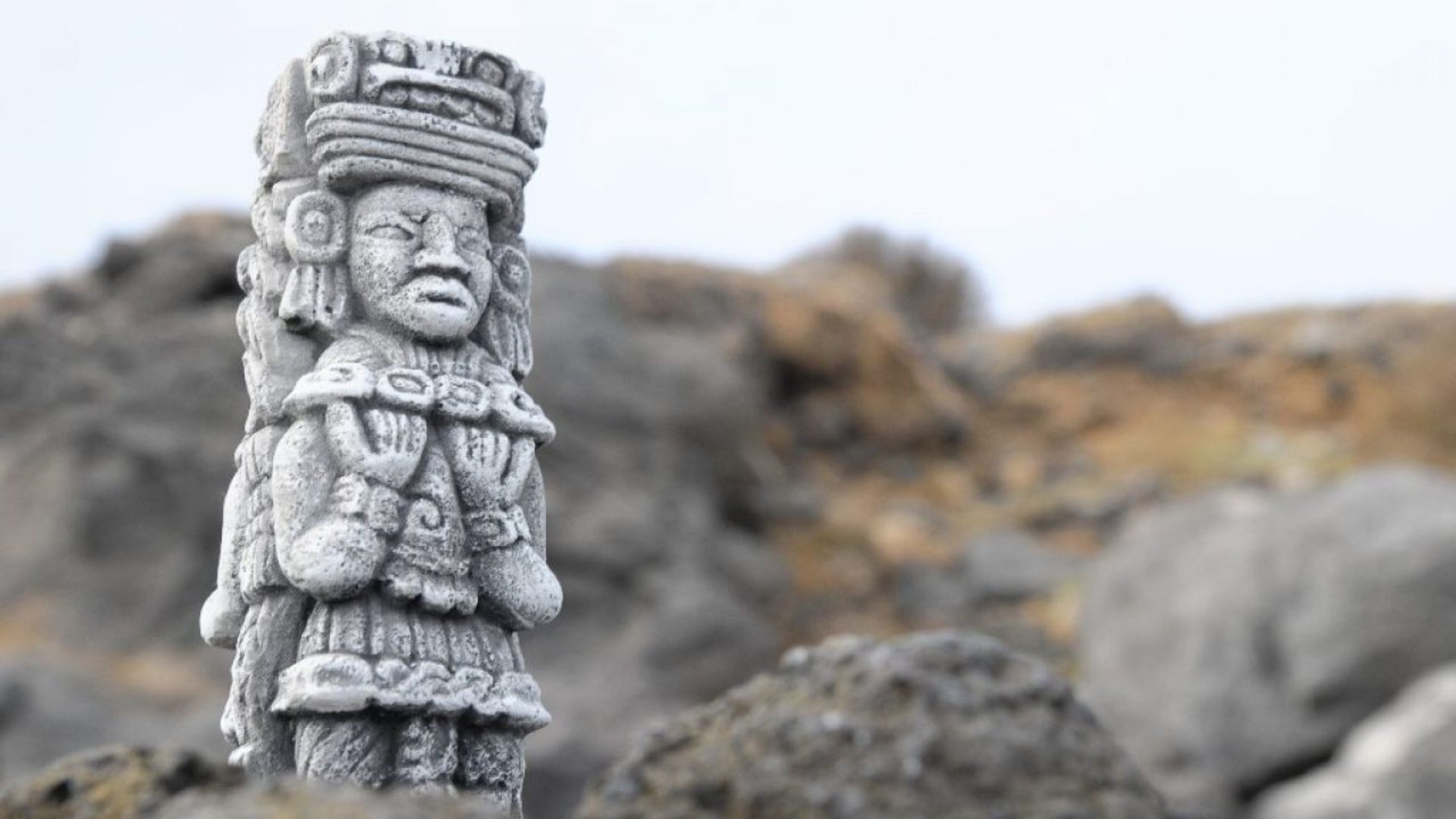
When you travel the roads of the Mexican Caribbean, the dense jungle and majestic cenotes guard more than just fascinating biodiversity. They also harbor ancient traditions that remain vibrant in the hearts of the Mayan people. If you have traveled through Cancun, Playa del Carmen, Tulum, or Cozumel, you may have heard whispers about small, invisible creatures that watch over the land, play tricks on distracted travelers, and protect the sacred corners of the Yucatan Peninsula. These are the aluxes (pronounced ah-LOO-shes), mythological beings essential to Mayan cosmology.
Understanding the history and cultural role of the aluxes transforms any traveler’s experience. These are not simple bedtime stories to entertain visitors, but a fundamental pillar of respect for nature that continues to dictate the daily lives of local communities and major architectural projects across the region.
Here is everything you need to know about the origin of the aluxes, their characteristics, the most famous legends surrounding them, and how to show proper courtesy during your next stay in this tropical paradise.
Where aluxes come from and their mythological origin
To understand aluxes, you must journey back to the Mayan civilization.
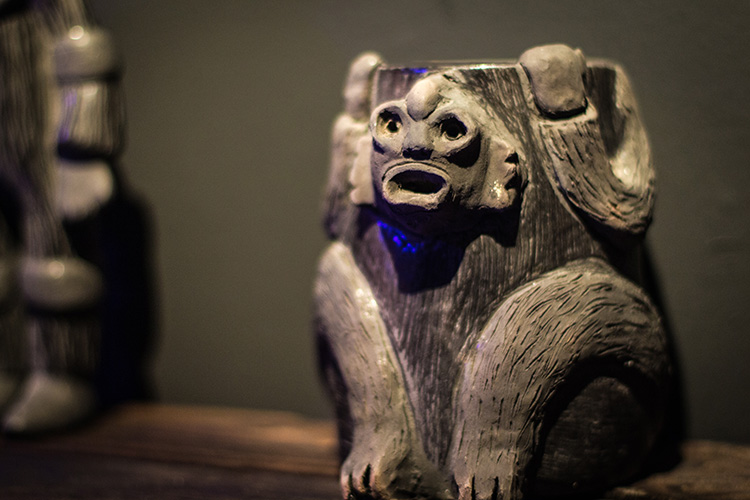
The word alux (plural, aluxo’ob) comes from the Yucatec Mayan language and refers to nature spirits or sprites. According to ancestral traditions, the gods, or Mayan priests, called h’menes, created these entities to guard forests, cenotes, cornfields (milpas), and animals.
According to stories passed down through generations, the h’menes crafted small figures out of clay collected from sacred caves. To bring them to life, they molded them through specific rituals and blessed them with prayers, along with offerings of honey, corn, and pozol (a traditional corn drink). Once energized, the creature became tied to a designated territory, such as a farmland plot or the entrance to the underworld (Xibalba).
For seven years, the alux faithfully served its creator, protecting crops against thieves, driving away predators, and bringing timely rains for planting. However, once that period ended, tradition required sealing the small house built for the alux so the creature could rest. If the structure was left open or the spirit was abandoned, it would become mischievous, wandering, and unpredictable.
What aluxes look like and their main characteristics
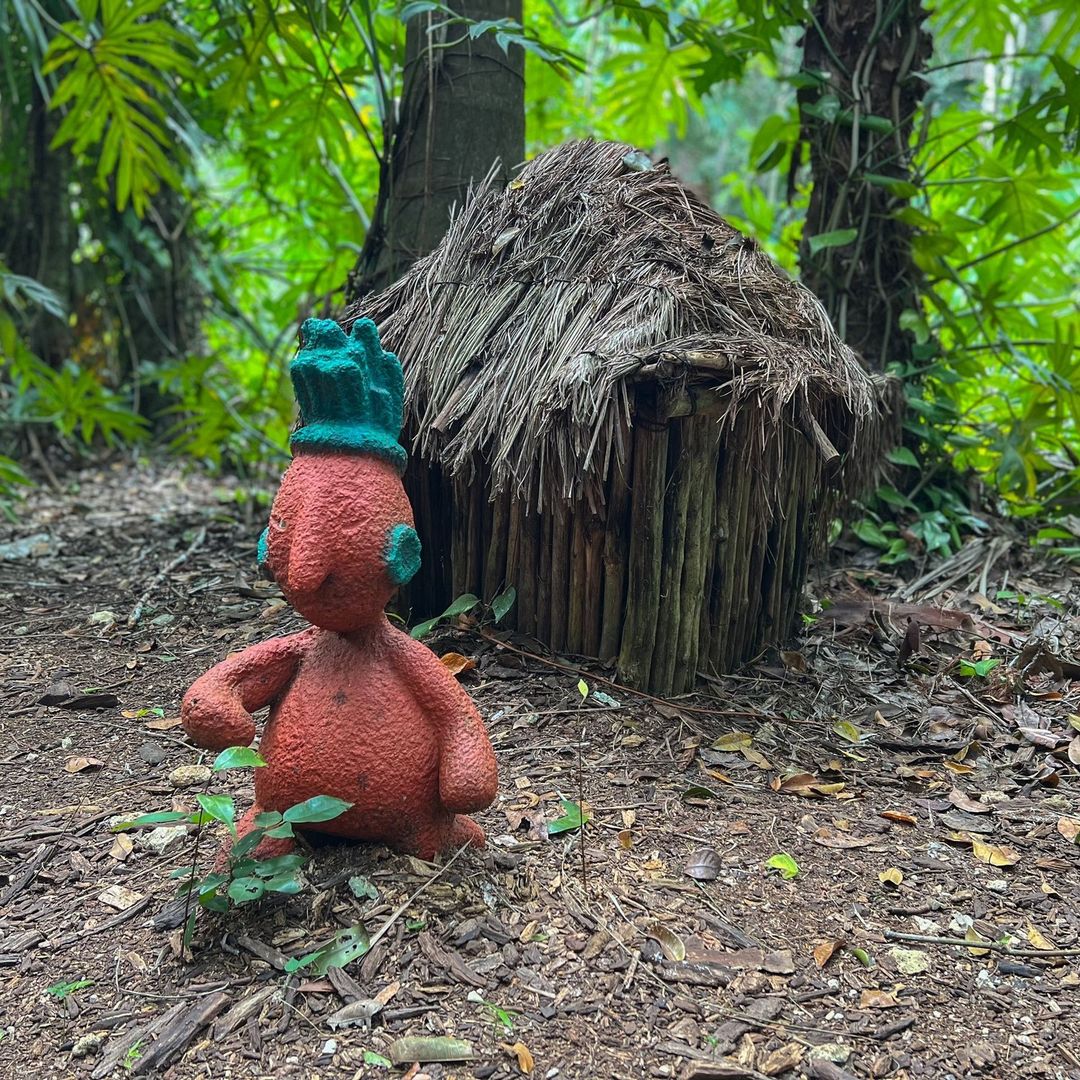
Although they are rarely seen clearly by human eyes, oral tradition and stories from local residents agree on a series of distinct physical features and behaviors:
- Physical appearance: They are described as knee-high beings (roughly 1 to 1.5 feet or 30 to 50 cm tall). They wear traditional Mayan attire, including loincloths, sandals (alpargatas), and straw hats, and often carry small shoulder bags (morrales).
- Playful nature: They have a childlike sense of humor. They enjoy hiding their belongings, whistling from the treetops, throwing small pebbles, or starting campfires in the middle of the night.
- Camouflage ability: They can turn invisible at will or blend into their surroundings, becoming shadows, gusts of wind, or jungle animals.
- Territorial character: If you act with respect, the alux will protect your steps and belongings. However, if you intrude upon its domain without proper acknowledgment, it can cause minor stumbles, lost luggage, or mild physical discomfort known locally as “aire de alux” (alux wind/ailment).
The role of aluxes in the modern Riviera Maya
One might think these beliefs belong to the past, but the reality in the Riviera Mayan is very different. Today, farmers, tour guides, construction workers, and engineers alike respect the aluxes’ presence.
Sacred permission to enter cenotes and caves
Cenotes are considered sacred in Mayan culture, representing portals to the underworld and vital sources of fresh water. Before swimming, diving, or exploring a cenote in Tulum or Puerto Aventuras, you will notice that local guides often perform a brief ritual or say a silent prayer. This custom seeks permission from the aluxes to enter their home without disturbing the ecosystem’s balance.
Alux houses in modern infrastructure
One of the most famous examples of the aluxes’ influence occurred during the construction of the bridge connecting Cancun International Airport to the hotel zone. During its construction in the 1990s, the project suffered unexplained delays, structural collapses, and equipment failures.
Local Mayan elders said they had not asked the land’s spirits for permission. They built a small stone pyramid beneath the bridge as a home and tribute to the aluxes. After the traditional ceremony, they completed construction without further issues. Although people remodeled the original bridge years later, they relocated the alux house and continue to offer it regular offerings to ensure peaceful traffic flow.
Famous legends and anecdotes about aluxes
Stories of encounters with aluxes are deeply embedded in Quintana Roo and Yucatan’s popular culture. Farmers who spend the night in their fields, as well as travelers venturing off the beaten path, have shared many.
The whistle in the deep jungle night
One of the most common anecdotes among campers near protected areas like Sian Ka’an is hearing a high-pitched, rhythmic whistle that seems to shift direction rapidly. Those familiar with the legend advise against answering the whistle or following the sound, as aluxes enjoy disorienting people until they lose their way in the thick jungle.
Missing tools in the milpa
In the rural communities surrounding Coba or Valladolid, farmers customarily leave small dried gourds (jícaras) filled with pozol and honey at the start of the day. If they forget the offering, they often return to find their tools hanging from the highest tree branches or buried under piles of dry leaves—a clear sign of protest from the small guardians.
FAQ’s for travelers
- How do I reach the cenotes where aluxes live?
You can visit iconic cenotes such as Dos Ojos, Cenote Azul, or Gran Cenote starting from Playa del Carmen or Tulum via Federal Highway 307. The most comfortable way to travel is by private transfer or rental car. For an authentic experience, we recommend hiring certified local guides who can share the site’s history and lead respectful entry rituals. - What should I do if I enter an alux’s territory during a hike?
The most important thing is to show respect for the environment. Avoid littering, don’t damage flora or fauna, and quietly ask permission before entering the jungle, a cave, or a cenote. If you come across a small stone altar, do not touch or alter its structure. - Is it dangerous to encounter an alux?
No. Aluxes are not evil beings. Their actions directly reflect how humans treat them and their environment. If you act with consideration and care for nature, they will remain neutral or may even protect you during your journey. - Where can I see an alux house or altar?
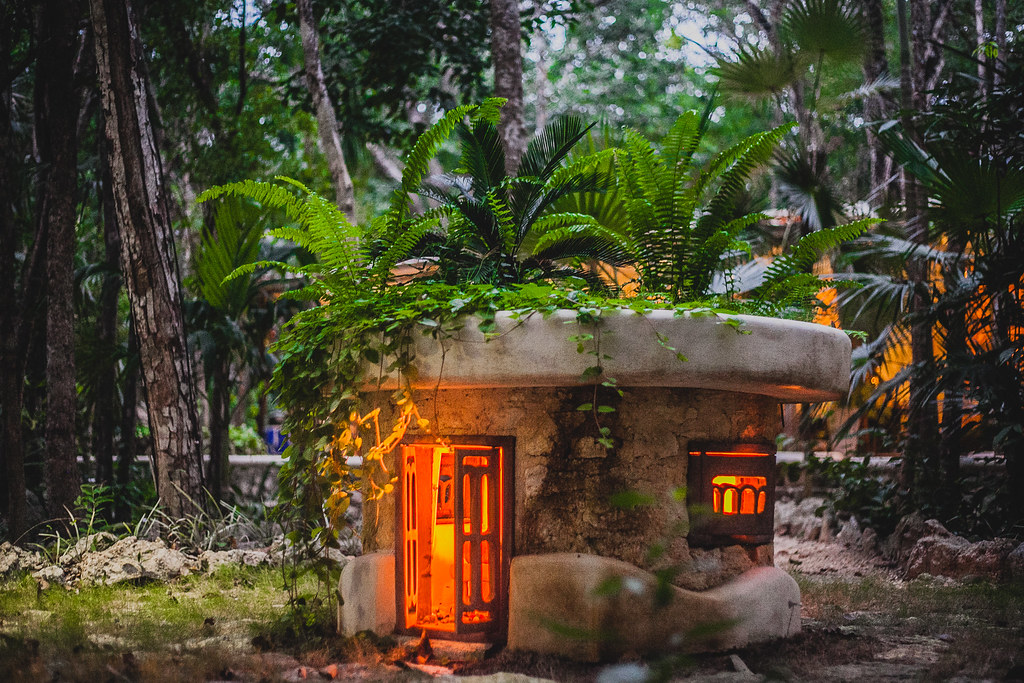
Besides the famous structure beneath the airport bridge in Cancun, you’ll commonly see small stone houses at the entrances to eco-parks, community cenotes, agricultural properties, and eco-friendly resort developments throughout the region.
Tips for respectfully enjoying Mayan culture on your trip
Visiting this region is about much more than enjoying white-sand beaches and turquoise waters. It is an opportunity to connect with an ancestral cultural heritage felt in every corner. Here are a few recommendations to incorporate this awareness into your itinerary:
- Learn a few words in Mayan: Greeting locals with Ba’ax ka wa’alik (How are you?) or saying thank you with Dios bo’otik demonstrates genuine interest in the communities welcoming you.
- Use biodegradable sunscreen: In cenotes and nature reserves, chemical sunscreen disrupts the water quality, harms local wildlife, and unbalances the ecosystem.
- Support community-based tourism: Visit the Coba archaeological zone or cenotes managed by local ejidatarios (community landholders) to support Mayan families who preserve these traditions.
- Choose accommodations that honor nature: The region offers exceptional lodging options that integrate sustainable architecture and respect for the natural landscape.
Learning about the aluxes reminds us that mindful tourism is the best way to explore the world. As you walk through the jungle, dive into a cenote, or watch the sunset over Tulum’s archaeological ruins, take a moment to listen to the wind in the leaves. You might not see the little guardians, but you will feel the living energy of a land cared for across centuries.
Pack your bags, keep an open mind toward local traditions, and enjoy an unforgettable journey through the Mexican Caribbean!