
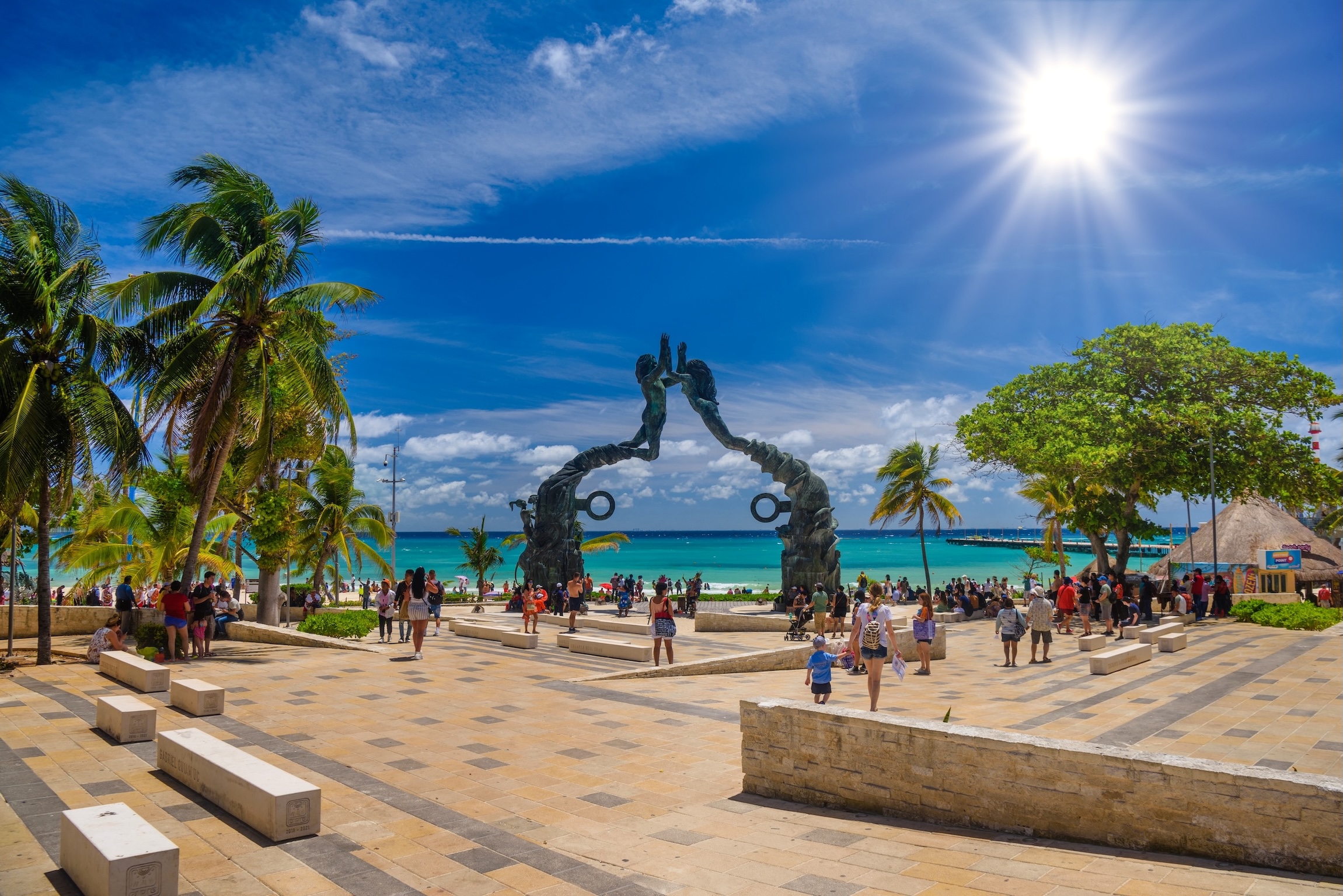
Every winter, the warm, clear waters of the Mexican Caribbean welcome imposing visitors that transform the coast of Quintana Roo into one of the most fascinating underwater stages on the planet. Bull shark season in Playa del Carmen offers an extraordinary opportunity for ocean lovers and adventure divers. Far from the myths that often surround these sharks, this natural phenomenon allows you to observe them up close in their natural habitat under strict marine safety and conservation protocols.
If you are planning a winter getaway to the Riviera Maya, diving off the coast of Playa del Carmen gives you an unmatched perspective of local biodiversity. Below, you will find the essential details to organize your expedition, from the ideal calendar to the gear you need in your suitcase.
When is bull shark season in Playa del Carmen?
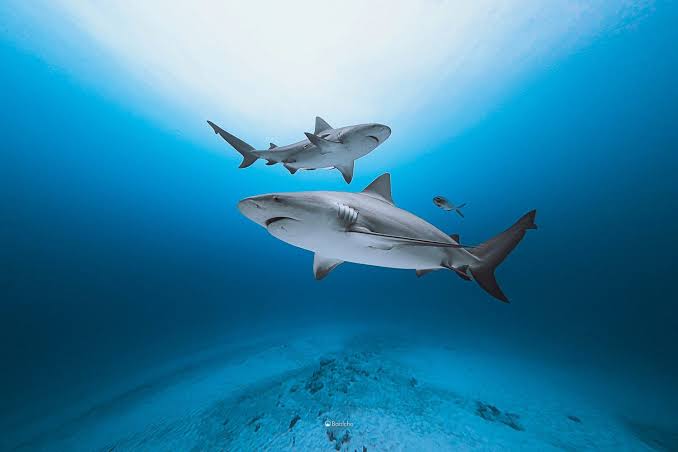
The official window to witness this underwater spectacle runs from November 1st through March 31st. During these five months, dozens of individuals—overwhelmingly females—migrate toward the shallow waters near the Playa del Carmen coastline. This movement responds to a natural biological cycle linked to water temperature and the search for nutrient-rich feeding grounds, along with proximity to the region’s mangrove systems and coastal lagoons.
Although tourism activity is regulated throughout that entire period, wildlife behavior shifts as the weeks progress. Understanding the rhythm of each month helps you pick the right dates for your trip:
- November: Marks the start of the cycle. The first sightings begin, and diver traffic at the sites stays low. This is an ideal month if you prefer quieter boat trips, though the number of sharks per dive varies.
- December: Shark presence becomes well established, and encounters grow consistent. Water temperatures stay comfortable between 79 °F (26 °C) and 81 °F (27 °C).
- January and February: Represent the peak of the season. These weeks bring the highest concentration of individuals, allowing divers to spot anywhere from five to more than a dozen sharks on a single dive. February stands out for combining spectacular sightings with fewer crowds compared to January.
- March: Marks the close of the cycle. During the first two weeks, strong probabilities of encounters remain, but toward the end of the month, the sharks begin dispersing into deeper waters as sea temperatures rise.
Why do bull sharks choose the coast of Playa del Carmen?
The bull shark (Carcharhinus leucas) is a remarkable species due to its physiological ability to tolerate both saltwater and freshwater. This adaptation allows them to approach the mouths of underground rivers and coastal cenotes that define the geography of the Riviera Maya.
During winter, ocean currents bring nutrients and water temperatures ranging between 75 °F (24 °C) and 81 °F (27 °C)—ideal conditions for pregnant females. Contrary to popular local stories, these sharks do not gather on this specific reef to give birth in open water. Instead, they take advantage of abundant prey and gentle currents off Playa del Carmen before moving into more sheltered coastal mangroves to deliver their pups.
What is the bull shark diving experience like in Playa del Carmen?
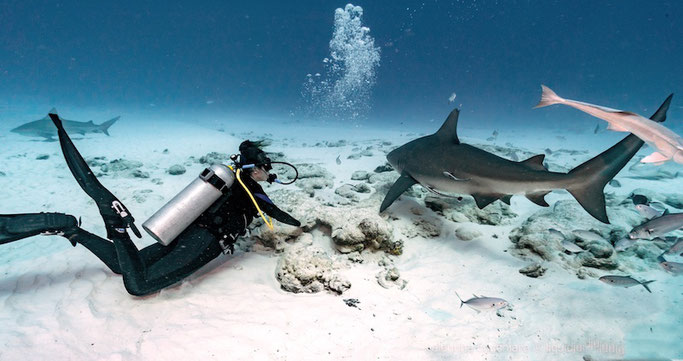
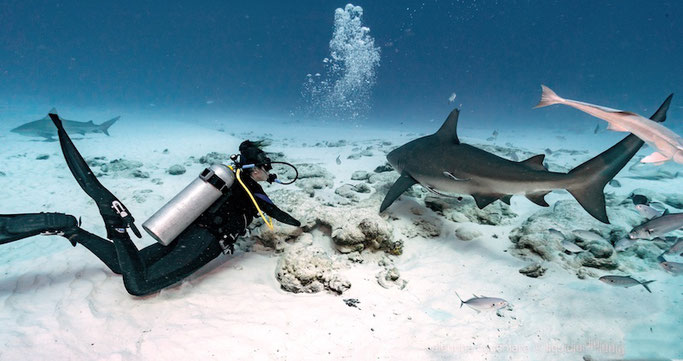
The primary encounter site lies just over half a mile (1 km) offshore within a designated area known among divers as Bull Shark Point, part of the Mexican Caribbean Biosphere Reserve. Unlike traditional coral reefs, this location features a flat sandy bottom resting at a depth of 72 ft to 82 ft (22 m to 25 m).
The dive structure minimizes impact on the animals’ natural behavior while maximizing group safety:
- Pre-dive briefing: Before boarding the boat, certified guides explain shark biology, buoyancy rules, underwater hand signals, and the descent protocol.
- Controlled descent: The group descends directly and orderly to the sandy seabed, where divers kneel or hold neutral buoyancy close to the bottom, forming a calm line or semicircle.
- Silent observation: Once everyone is settled, the sharks begin patrolling the area with unhurried, graceful movements. They glide within a few feet of the group, showcasing their stocky build and serene swimming style.
- Ascent and second dive: After spending around 20 to 25 minutes on the bottom—depending on air consumption and no-decompression limits—divers ascend and complete a safety stop. Most excursions include a second dive at one of Playa del Carmen’s nearby reefs, such as Tortugas, Barracuda, or Jardines, to round out the morning.
Dive formats: observation versus attraction
Environmental authorities regulate two distinct formats for this activity. In pure observation mode, divers remain stationary on the sand, waiting for sharks to approach out of natural curiosity. In attraction mode, an authorized specialist uses a perforated bait container as an olfactory stimulus to keep the sharks near the group without feeding them uncontrollably. Both practices follow strict rules established in the reserve’s management plan to protect animal health and ensure sharks never associate divers with food.
What certification and requirements do you need to dive with bull sharks?
Because the site sits deeper than the 60 ft (18 m) limit for entry-level divers—and because occasional currents sweep through the Cozumel Channel—this dive suits experienced divers and is unavailable for beginners or snorkelers.
To join a bull shark dive in Playa del Carmen, you must meet the following criteria:
- Advanced certification: Hold a PADI Advanced Open Water Diver credential or an equivalent rating from another recognized agency (SSI, NAUI, CMAS).
- Recent dive experience: Have logged dives within the past 12 months to ensure solid gear control and buoyancy skills. If you have been out of the water for a while, local dive shops offer refresher sessions in a pool or shallow reef the day before.
- Minimum age: Be at least 15 years old, in accordance with international deep-diving standards.
If you currently hold an Open Water certification, you can enroll in an Advanced course in Playa del Carmen and complete your bull shark dive as one of the five adventure dives required to earn the rating.
Underwater safety rules and etiquette
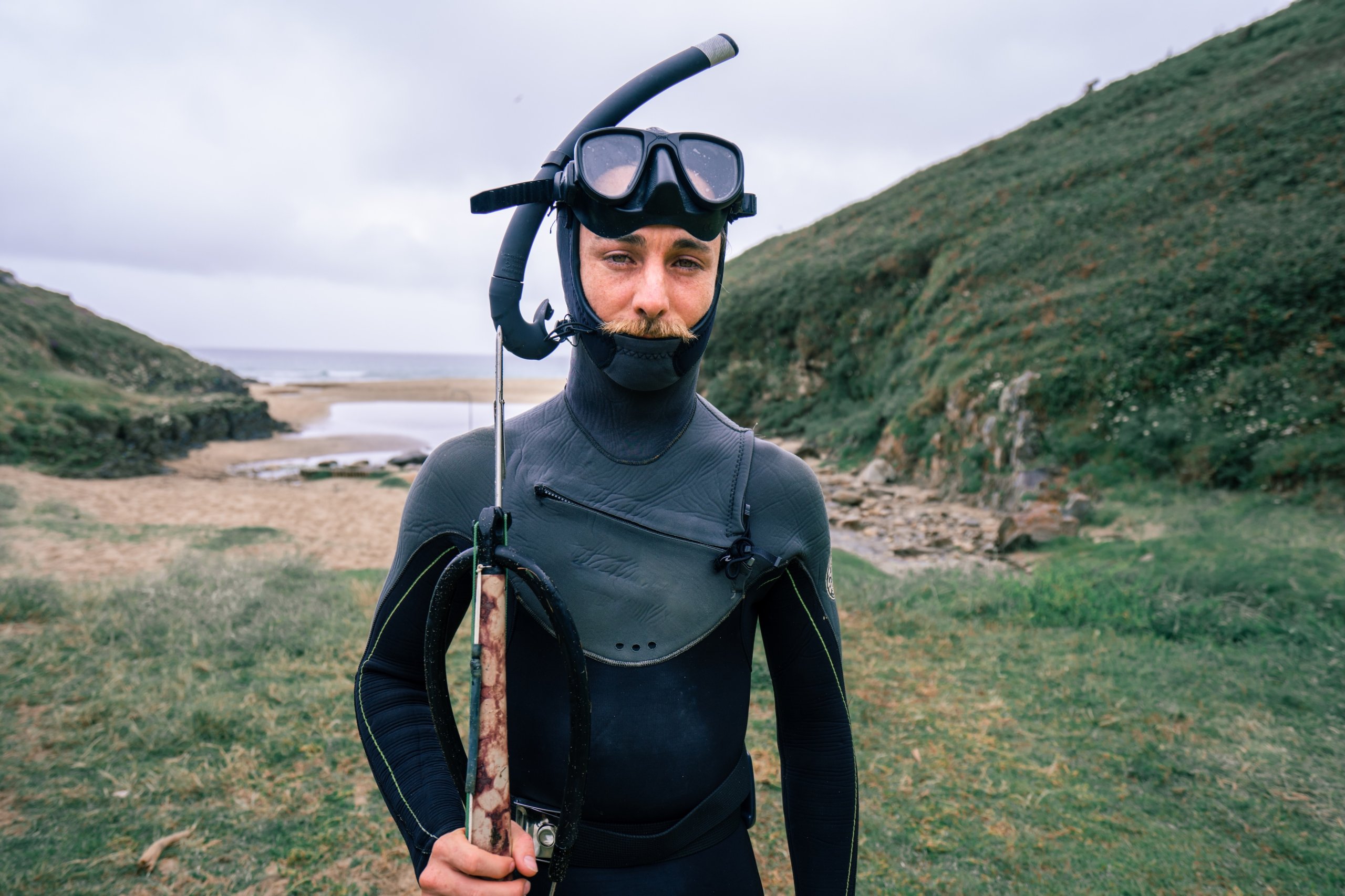
Bull sharks carry an intimidating reputation, yet in the controlled environment of Playa del Carmen, they behave as cautious, composed animals. Incidents are nonexistent when divers follow the guidelines set by local operators. Keep these essential rules in mind for a smooth experience:
- Wear dark-colored gear: Avoid wetsuits, fins, or accessories in bright yellow, neon orange, or white. Light, reflective tones can resemble the flash of fish scales and spark unwanted curiosity from the sharks. Stick to black, navy blue, or matte gray gear.
- Keep hands close to your body: Fold your arms or clasp your hands in front of your chest while watching. Avoid reaching out or pointing toward the animals.
- Hold your position: Never swim after the sharks or block their path. Allow them to decide how close they want to pass.
- Manage camera equipment carefully: If you bring underwater photography or video gear, avoid firing powerful strobes close to their eyes and keep the housing tucked close to your torso.
What should you pack for a winter dive trip?
Preparing your luggage ahead of time keeps your days in the Riviera Maya comfortable. Although daytime weather on land remains warm throughout winter, ocean temperatures dip slightly, and this particular dive requires staying motionless on the seabed for several minutes.
- 5 mm wetsuit: Resting stationary at 80 ft (24 m) causes your body to lose heat faster than on a drift dive. A full 5 mm wetsuit—or a 3 mm suit paired with a hooded vest—keeps you warm throughout the outing.
- Logbook and certifications: Pack your physical or digital certification cards alongside records of your most recent dives.
- Lightweight windbreaker: Between December and February, regional cold fronts known as nortes bring moderate breezes that make the boat ride back to shore feel brisk.
- Biodegradable sunscreen: Essential for protecting the delicate reef ecosystems of Quintana Roo.
- Active dive insurance: Carrying specialized coverage, such as DAN, is a smart practice for any dive vacation.
Practical tips for planning your Playa del Carmen itinerary
Weather—specifically wind—is the single most important factor during winter in the Mexican Caribbean. Northerly fronts can prompt the Harbor Master to close the port to small vessels for one or two consecutive days.
For that reason, the best planning strategy is to schedule your bull shark dive during the first few days of your vacation. If port closures delay boat departures, you will still have plenty of flexibility to reschedule without disrupting the rest of your itinerary or missing the experience.
Booking several weeks in advance is also wise if you travel between December and February. Responsible dive centers operate with small groups—typically four to six divers per guide—to maintain complete underwater control and avoid disturbing the marine environment.
Pair your adventure with other Riviera Maya underwater gems
Make the most of your stay in Playa del Carmen by exploring the diverse aquatic ecosystems surrounding the destination:
- Cenote diving: The underground river systems of the Yucatán Peninsula remain unaffected by ocean wind conditions. If the port closes, diving into caverns such as Dos Ojos, El Pit, or Chac Mool offers an unforgettable alternative, with crystal-clear water holding steady at 77 °F (25 °C) year-round.
- Cozumel reefs: Just a 45-minute ferry ride from Playa del Carmen, Cozumel boasts some of the world’s most celebrated coral walls. Winter visibility reaches extraordinary levels, ideal for effortless drift dives and abundant marine life.
- Whale shark snorkeling (another season): If you travel with family members or companions who do not dive, keep in mind that whale sharks arrive off northern Quintana Roo between May and September, offering a surface encounter that is equally memorable.
Conservation and responsible tourism in Quintana Roo
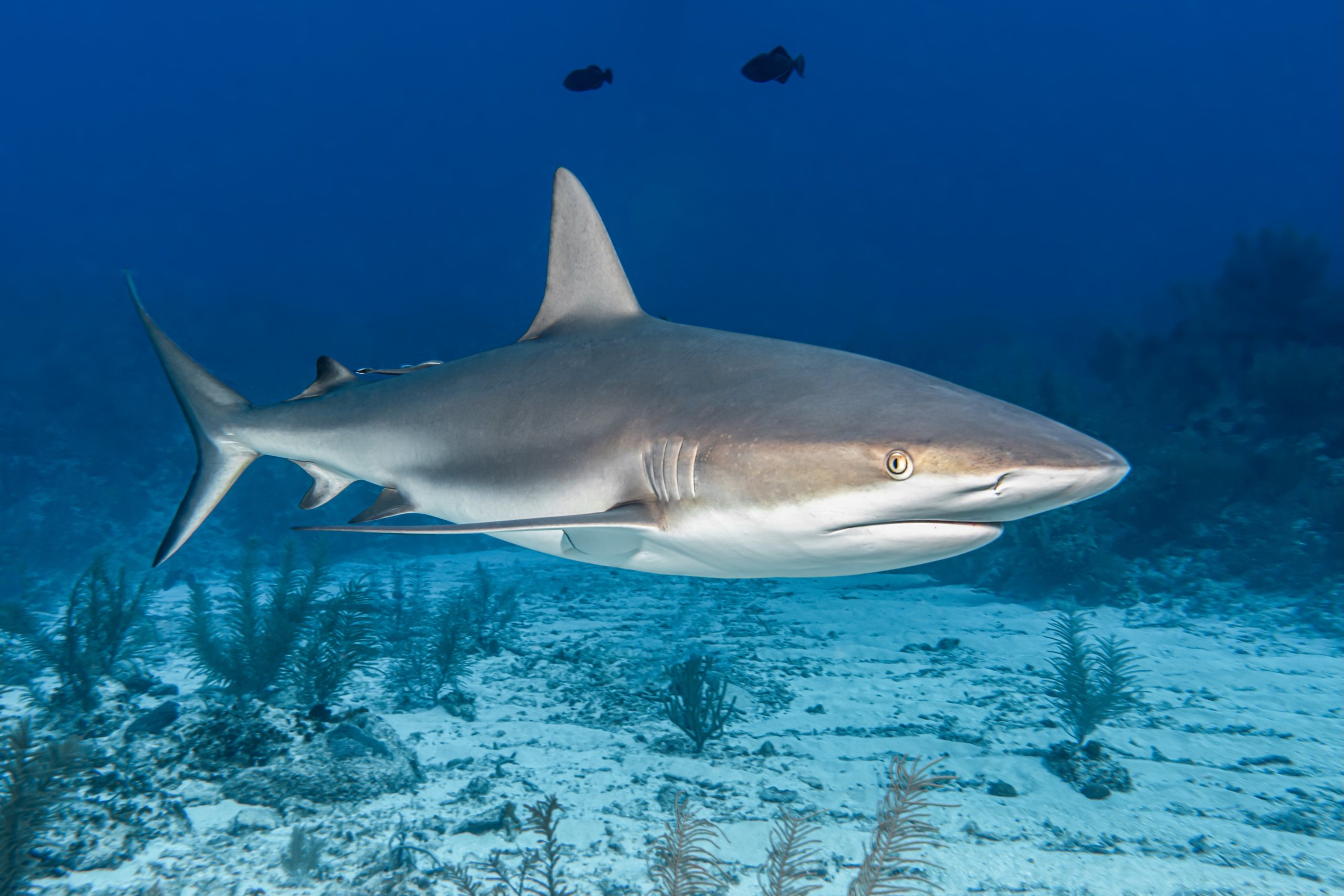
The bull shark is listed as vulnerable on the International Union for Conservation of Nature (IUCN) Red List. For decades, unregulated fishing threatened its populations across the western Atlantic. Today, underwater ecotourism in Playa del Carmen serves as a vital ally for its protection.
Local scientific organizations, working alongside certified dive centers and environmental authorities, monitor the health, migratory patterns, and return rates of female sharks each season using noninvasive methods such as photo identification and acoustic tagging. By choosing operators that honor boat quotas, depth limits, and reserve codes of conduct, your visit demonstrates that a living shark generates lasting ecological and economic value for the local community.
Frequently asked questions about bull sharks in Playa del Carmen
Is diving with bull sharks in Playa del Carmen safe?
Yes, provided you dive with certified operators and follow your guide’s instructions. The sharks in this area are accustomed to the passive presence of divers and do not display aggressive behavior.
Can I see bull sharks while snorkeling?
No. The sharks remain near the sandy bottom at roughly 80 ft (24 m) and rarely rise to the surface. This activity is exclusively for certified scuba divers.
Are sightings guaranteed during the season?
Because these are wild animals in the open ocean, no operator can guarantee a 100% sighting rate. However, between December and February, encounter rates exceed 90%, making this one of the most reliable megafauna dives in the Caribbean.
What is the water temperature in Playa del Carmen during winter?
Between November and March, sea temperatures range from 75 °F (24 °C) to 81 °F (27 °C). Although the water remains mild, wearing a 5 mm wetsuit is recommended for thermal comfort while staying stationary at depth.
Diving alongside bull sharks in Playa del Carmen is one of those rare experiences that reshapes how you view the ocean. Watching their silhouettes glide in silence across the white sand of the Mexican Caribbean reminds us why protecting these natural sanctuaries—and exploring them with deep respect—matters so much. Check your certification, pack your gear, and discover the wilder side of the Riviera Maya this winter.