
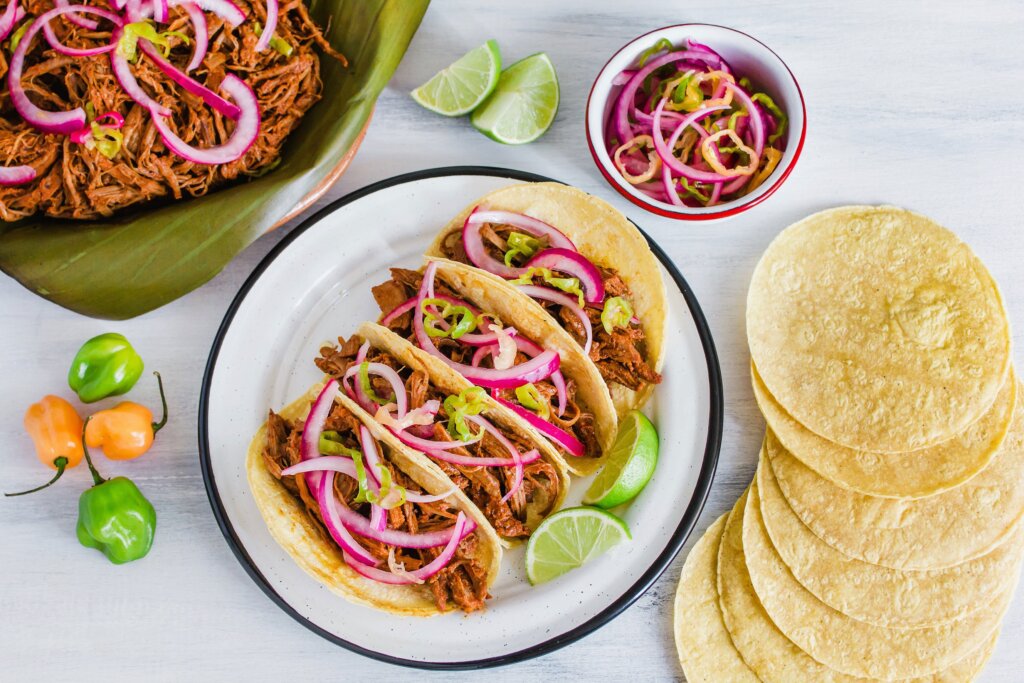
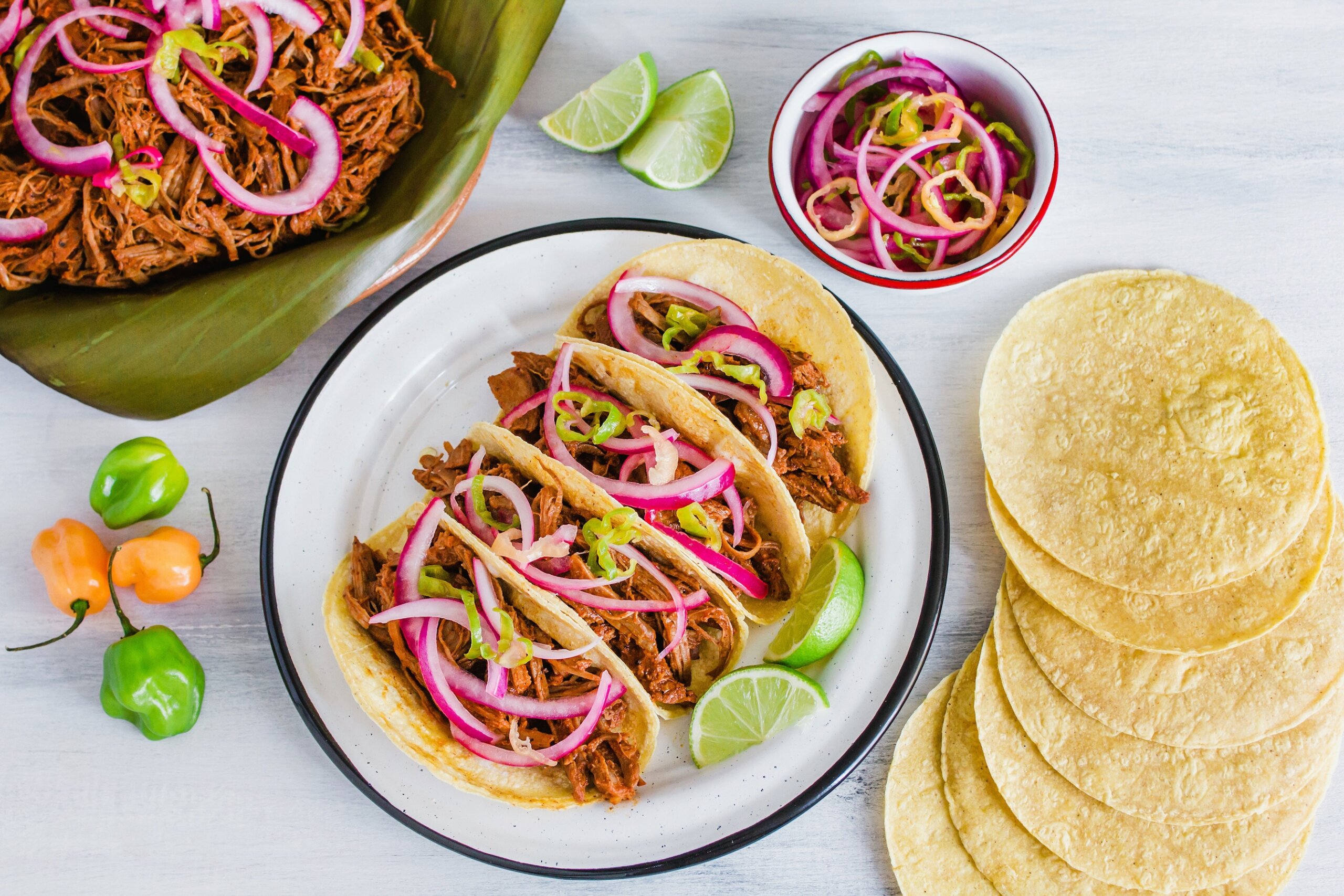
Mexican gastronomy in the southeastern peninsula is an intricate universe of complex spices, ancient rituals, and deep-rooted heritage. Among its most celebrated culinary achievements, cochinita pibil stands out as a true crown jewel. If you are planning a journey through the Riviera Maya, tasting this ancestral delicacy is an absolute imperative. It offers an instant connection to the living history, vibrant culture, and timeless identity of the Yucatan Peninsula.
From its fascinating pre-Hispanic origins to the sophisticated menus of contemporary high-end dining, every bite tells a compelling story of cultural blending, patience, and unyielding reverence for local ingredients.
The origins of cochinita pibil and the ancient pib technique
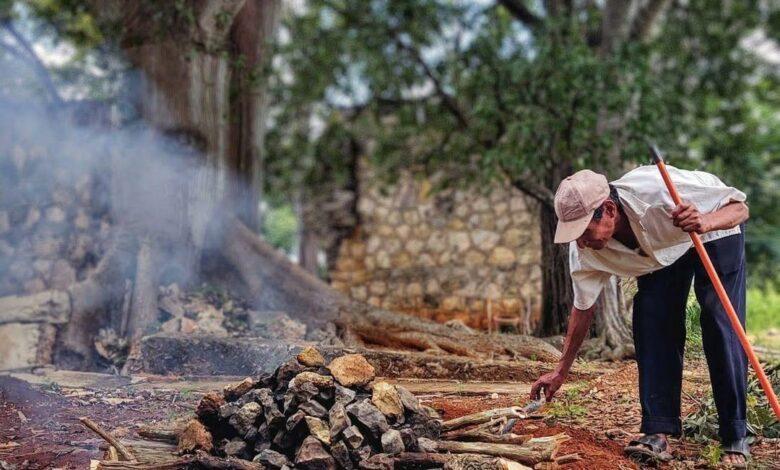
To appreciate the true cultural significance of this iconic dish, you must first understand the meaning of the word pibil. Derived from the Maya term pib, it refers to the traditional underground earth oven that local indigenous communities have used for millennia.
In pre-Hispanic times, the native inhabitants of the peninsula cooked wild game—such as venison, pheasant, wild boar, or peccary—wrapped in banana leaves and buried over white-hot limestone rocks. The pib technique was far more than a practical culinary method; it was a sacred ritual deeply tied to seasonal cycles and celebrations like Hanal Pixan (the Maya Day of the Dead). The earth itself served as a natural womb, returning richly seasoned, deeply smoked nourishment to the community.
When Spanish explorers arrived in the sixteenth century, the recipe underwent a transformative evolution. Domestic pigs (cochinitos) were introduced from Europe, gradually replacing native game meats. The marriage of European pork with achiote—a vibrant, earthy pigment and spice indigenous to the Americas—and bitter Seville oranges brought from across the Atlantic gave birth to cochinita pibil as we cherish it today.
Key indigenous ingredients behind the signature flavor
The secret to an exceptional batch of cochinita pibil lies entirely in the quality of its marinade and native botanicals. It is not merely about the cut of meat, but rather the aromatic harmony between the unique ingredients of the Yucatan Peninsula.
- Achiote (k’uxu’): A rich red paste made from ground seeds harvested from the Bixa orellana shrub. It imparts a distinct terracotta hue and a subtle, warm, earthy undertone.
- Bitter orange (naranja agria): The juice of this local heirloom citrus provides the essential acidity required to tenderize the pork naturally while balancing its rich fats.
- Banana leaves: Used as an insulating cover, these leaves seal in moisture throughout hours of slow cooking while infusing the meat with a delicate herbal aroma.
- Recado rojo: The traditional regional spice blend built around achiote, incorporating Allspice (Tabasco pepper), wild oregano, cumin, garlic, toasted cloves, and cinnamon.
- Pickled red onions: Thinly sliced and cured in bitter orange juice, Mexican oregano, and a touch of minced habanero pepper for an essential crunch and bright acid contrast.
What is the traditional cooking process?
Preparing authentic cochinita pibil demands time, skill, and boundless patience. Pork cuts rich in marbling—typically pork shoulder, neck, or leg—are thoroughly coated in recado rojo dissolved in bitter orange juice, then left to marinate overnight.
Meanwhile, the pib is painstakingly constructed. A pit is hand-dug into the limestone soil and filled with dense regional hardwoods like tzalam or kitinche. Rocks are stacked over the wood and torched until the fire subsides, leaving glowing coals underneath radiant stones.
The marinated pork is arranged inside large roasting pans lined with banana leaves that have been gently passed over open flame to render them pliable. Once sealed under overlapping leaves, the pan is lowered into the pit, covered with additional foliage, wooden planks, and a thick layer of topsoil.
Underneath the earth, the dish cooks sealed away from air for six to eight hours. This gentle, concentrated heat slowly dissolves collagen and fat, yielding meat so ridiculously tender it falls apart at the touch of a fork.
Popular regional variations and modern culinary twists
Throughout the towns and resort corridors of the Riviera Maya, you will encounter diverse ways to enjoy this classic masterpiece.
Street-style tacos
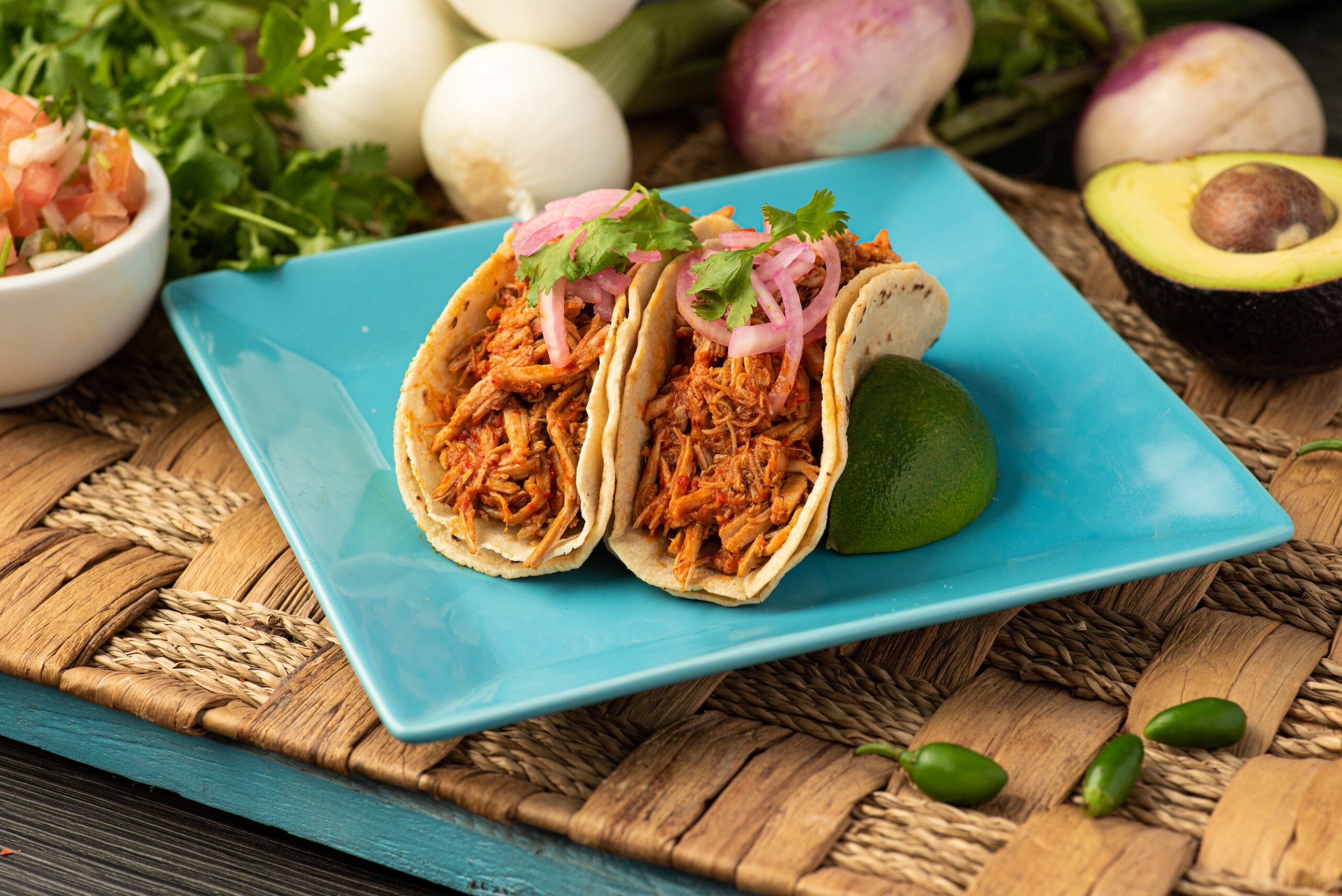
The simplest and most popular presentation. Double layers of warm, freshly pressed corn tortillas host generous heaps of shredded pork, crowned with tangy pickled onions and a drop of habanero salsa.
Panuchos and salbutes
Panuchos feature a corn tortilla lightly fried and stuffed with smooth, refried black beans before being topped with pork, avocado, and cured onions. Salbutes, on the other hand, use a puffed, soft-fried tortilla that offers a airier bite.
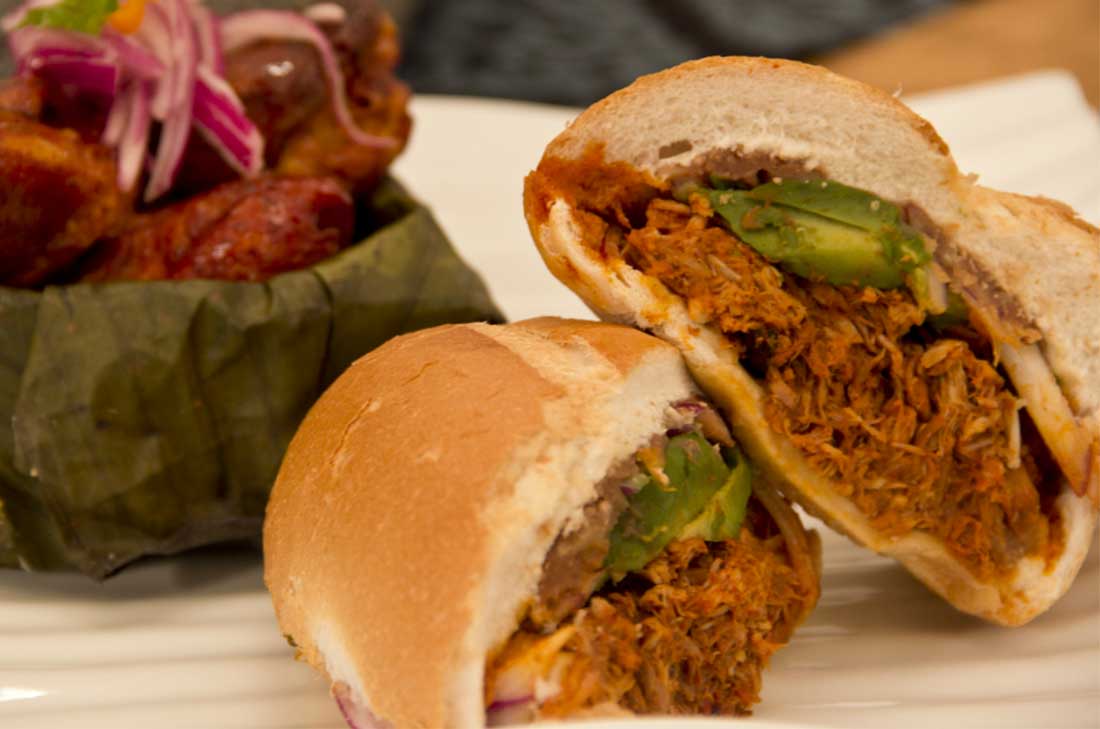
The classic torta de cochinita
A Sunday morning tradition among locals across Yucatan and Quintana Roo. Crusting crusty artisan bread (bolillo or pan francés) is stuffed with meat and dipped into the hot, spiced pan drippings (consomé), creating a juicy sandwich experience.
Plant-based and gourmet reinterpretations
Innovative chefs across Cancun, Playa del Carmen, and Tulum have adapted the recipe for modern palates. Using the identical recado rojo marinade, culinary teams substitute meat with jackfruit, portobello mushrooms, or roasted heart of palm. Meanwhile, luxury resorts often utilize slow-cooked suckling pig prepared via sous-vide to achieve ultimate precision while respecting ancient flavor profiles.
Where to find the best cochinita pibil in Riviera Maya
From bustling street stalls to sophisticated coastal dining rooms, the regional food landscape offers options for every traveler.
Municipal markets in Playa del Carmen
Head away from Fifth Avenue toward local neighborhoods near Avenida Juarez or Calle 2 Norte in the early morning. Small family-run market stalls serve cochinita piping hot out of traditional stainless-steel steamers or clay pots.
Roadside eateries along the Coba and Valladolid routes
If taking a day trip to explore inland archeological sites, stop at roadside diners in small Maya communities. Many of these family kitchens still maintain active pib earth ovens in their backyards, delivering an authentic smoked flavor profile.
Elevated dining in luxury resorts
For an artistic interpretation, luxury properties across the destination elevate the dish with master execution. At properties such as Grand Velas Riviera Maya, world-class chefs at Frida restaurant pay tribute to regional heritage by pairing refined techniques with authentic ingredients sourced directly from local Maya farmers.
Frequently asked questions for travelers
How do I get to local culinary hotspots from resort areas?
Navigating the Riviera Maya is straightforward. Travelers can utilize regional colectivo vans along Highway 307, arrange private transport through their resort Concierge, or rent a vehicle to explore off-the-beaten-path towns like Valladolid or Puerto Morelos.
Is cochinita pibil spicy?
No, the meat marinade itself is not spicy at all. Achiote, allspice, and citrus provide deep aroma and savory depth without burn. The spicy heat comes entirely from optional condiments served on the side, such as extra habanero salsa or hot cured peppers.
What is the ideal time of day to eat cochinita pibil?
Traditionally, cochinita pibil is considered a morning or early afternoon meal across Yucatan culture. Local stands often sell out by noon. However, tourist destinations and fine dining restaurants serve it during lunch and dinner hours as well.
What beverage pairs best with cochinita pibil?
Pair your meal with a refreshing glass of agua de chaya with lime (a nutrient-rich local leaf drink), chilled rice horchata, or an ice-cold craft lager produced in the region.
Crafting your ultimate Riviera Maya food itinerary
To truly immerse yourself in the flavors of the Mexican Caribbean, consider organizing your food adventure with intention. Exploring local markets in the morning, touring ancient ruins midday, and unwinding at an oceanfront luxury resort by evening provides the perfect balance of adventure and relaxation.
Savoring cochinita pibil during your journey across the Riviera Maya is far more than satisfying an appetite. It is an invitation to participate in a living historical legacy that has nourished generations. Be sure to add this culinary journey to your travel plans and celebrate the rich heritage that makes Mexico one of the world’s greatest food destinations.