
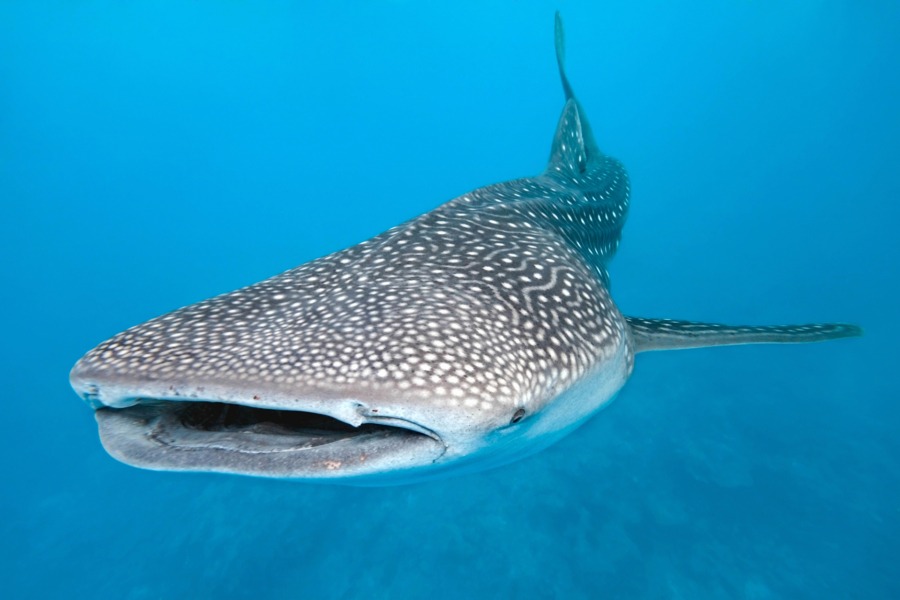
At the beginning of June, one of the most impressive biological transformations begins in the waters of the Mexican Pacific. As summer approaches, nutrient-rich ocean currents begin to rise from the depths of the Yucatan Channel, attracting an immense variety of marine life. Among all the visitors who choose the coasts of Quintana Roo during this season, one stands out for its imposing scale and peaceful nature: the Rhincodon typus, popularly known as the whale shark.
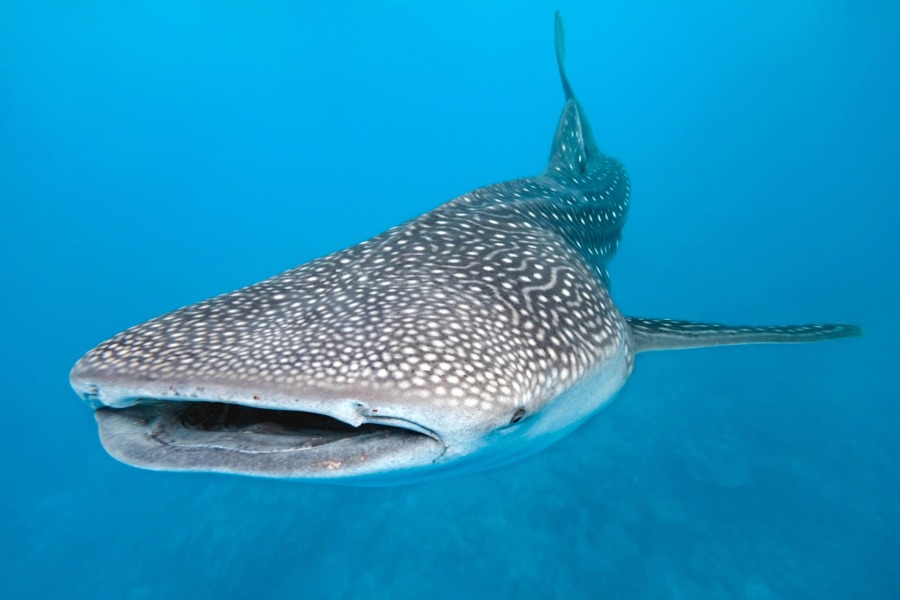
Traveling to the Riviera Maya this month allows you to witness the largest concentration of this species on the planet. This is not a distant sighting from the deck of a boat; the clarity of the region’s water allows you to submerge yourself just a few meters from these marine giants, experiencing a deep connection with nature. However, completing this activity in a memorable way requires meticulous planning, a clear understanding of environmental regulations, and flawless logistics that avoid any operational setbacks.
Therefore, we have prepared these tips to help you discover the secrets of this ancestral migration, the best sighting zones, and how to choose an operator that guarantees both your well-being and the preservation of this magnificent marine ecosystem.
The science behind the migration of the largest fish in the world
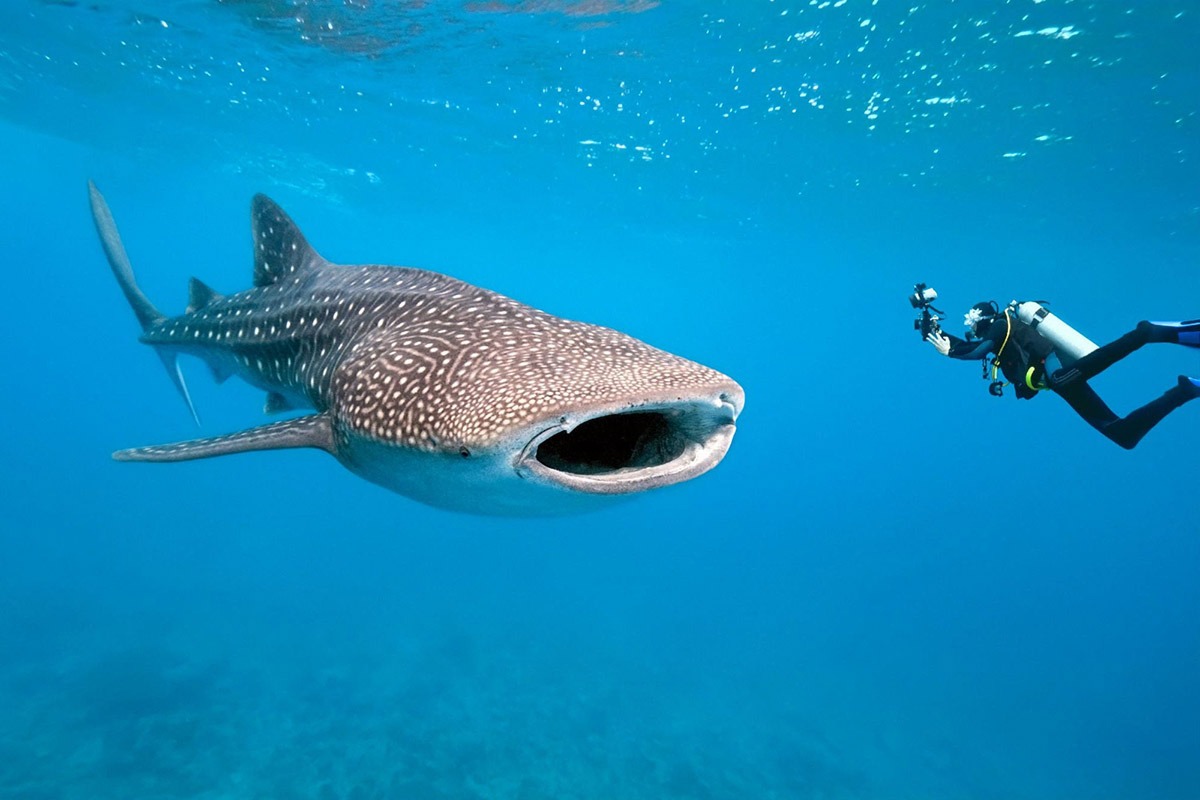
To appreciate the magnitude of this event, you must understand that the whale shark is not a whale, but the largest fish inhabiting the oceans of the Earth, reaching lengths exceeding twelve meters. Its presence in the Yucatan Peninsula between June and September is no coincidence; it responds to a fundamental biological imperative: feeding.
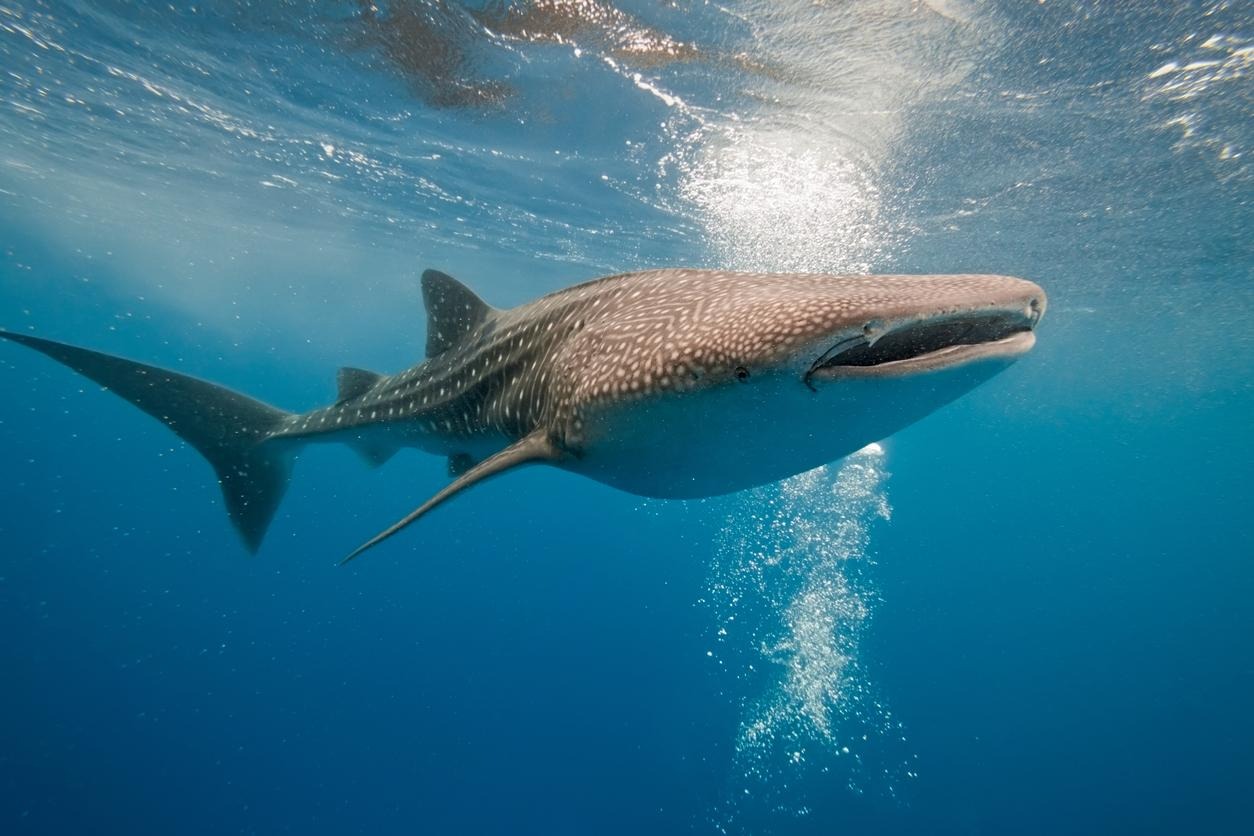
The exact point where the Caribbean Sea and the Gulf of Mexico meet is an area rich in plankton, algae, and fish eggs, the exclusive food of this giant that feeds through a sophisticated water filtration system. By swimming with its mouth open near the surface, the whale shark filters thousands of liters of water per hour, a subtle spectacle that conveys absolute peace to those who have the privilege of observing it closely.
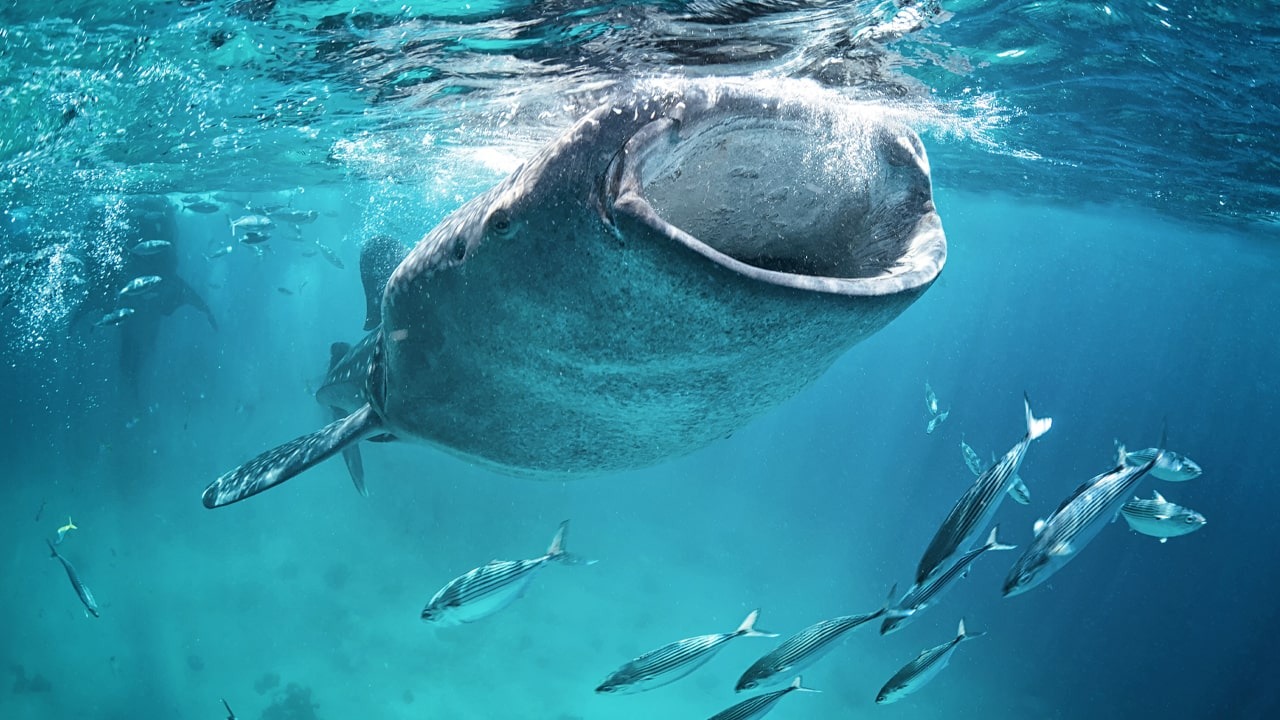
The patience and rigor of local scientists have shown that the waters surrounding Isla Contoy, Isla Mujeres, and Holbox function as a perennial sanctuary for the species. Respecting their environment is not just a legal requirement; it is an ethical responsibility you assume when entering their natural habitat, transforming your perspective on the trip into an act of conscious conservation.
The best departure points for swimming with whale sharks in Quintana Roo
The Riviera Maya has multiple strategic ports to begin this journey. Depending on your lodging, the logistics of land and maritime transfers will vary considerably, so choosing the right departure point is the first step toward a successful day.
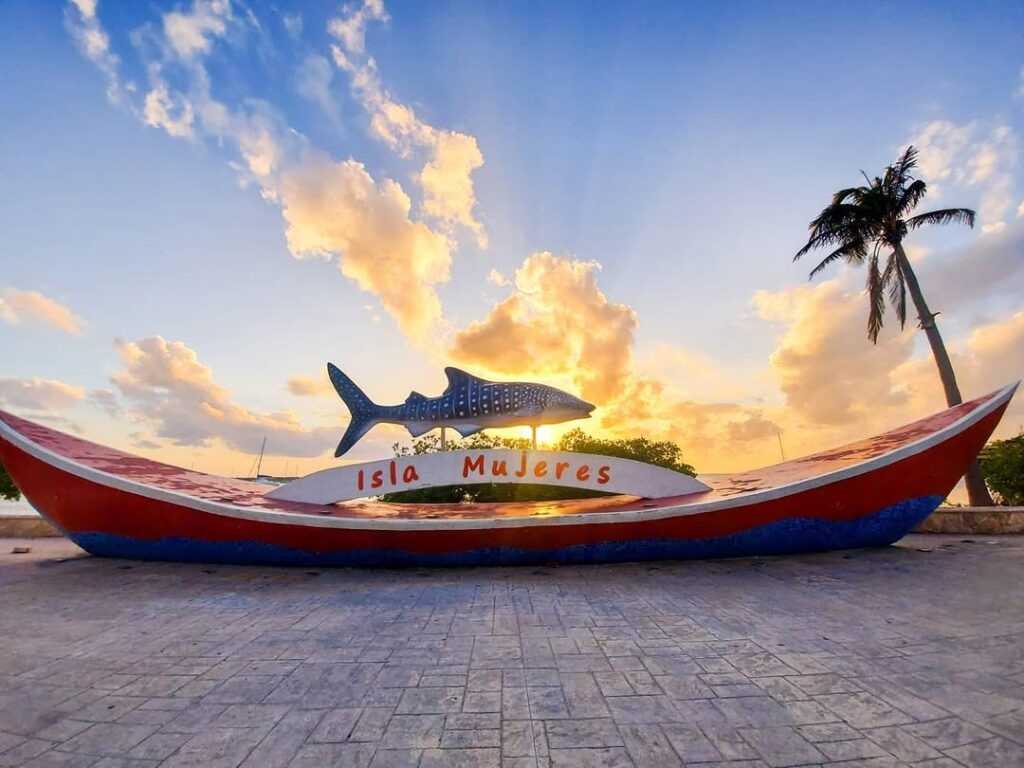
Isla Mujeres and the waters of Isla Contoy
This is the epicenter of organized tourist activity for sightings. Boats depart early from the docks of Cancun or Isla Mujeres toward the north, in the area known as the blue waters. The boat journey can last between 45 minutes and 1.5 hours, depending on the exact location of the specimens that day. The great advantage of this area is the clarity of the water, which allows exceptional visibility of the fish’s anatomy, with its characteristic patterns of lines and white spots acting as a unique fingerprint for each individual.
Holbox and the mysticism of the Gulf
If you are looking for a more rustic atmosphere and direct contact with low-density nature, departing from Holbox is a wonderful option. Boats sail toward the protected area of Cabo Catoche, where the waters of the Gulf of Mexico mix with those of the Caribbean. Here, the water usually has an emerald-green hue due to the high density of plankton. Although visibility may be lower than in Isla Mujeres, the abundance of food occasionally attracts dozens of whale sharks swimming in groups, allowing an extremely intimate and peaceful sighting experience.
Strict SEMARNAT regulations for a responsible encounter
The Ministry of Environment and Natural Resources (SEMARNAT) of Mexico rigorously regulates this activity to avoid overstimulating the animals and to guarantee the safety of visitors. Before boarding any vessel, you must ensure that the operator has valid official permits, identified by a distinctive flag on the boat.
The swimming protocol is designed under a framework of absolute respect. The golden rules you must comply with during the encounter include:
- Swimming in pairs: Only two swimmers and a certified guide are allowed to enter the water at the same time per boat, maintaining a minimum distance of three meters from the shark’s body and four meters from its tail.
- Prohibition of contact: It is strictly forbidden to touch, feed, or interfere with the fish’s swimming route. The swimmer’s movements must be smooth and deliberate.
- Obligatory use of life jackets: A life jacket or a wetsuit is mandatory at all times to ensure your buoyancy and prevent you from attempting to submerge beneath the animal.
- No flash: Underwater photography is permitted, but the use of flash or intense artificial lighting is prohibited, as it can frighten the species or alter its feeding patterns.
What to pack for a perfect day in the Mexican Caribbean
Being in open water for several hours requires meticulous preparation of your luggage. To ensure your experience is flawless and respectful of the natural environment, take note of these suggestions:
Biodegradable sunscreen or rash guard
This is the most critical environmental rule of the Yucatan Peninsula. Chemicals from conventional sunscreens remain suspended on the water surface and are directly ingested by whale sharks during their filtration process. Their use is strictly prohibited. The ideal alternative is to use a long-sleeved Lycra shirt with UV protection (rash guard) and a wide-brimmed hat. If you decide to use sunscreen, it must be 100% biodegradable and applied only after swimming.
Personal snorkel equipment
Although authorized operators provide masks, tubes, and fins, having your own equipment will ensure a perfect fit and greater comfort underwater. Make sure your mask is well sealed to prevent leaks that could distract you during the valuable minutes you spend swimming alongside the fish.
Change of clothes and hydration
The June weather in Quintana Roo is warm, with average temperatures around 82 °F. However, the sea breeze during the return boat ride can cool the environment. Pack a change of dry clothes made of linen or light cotton and a soft towel. Maintaining continuous hydration with purified water or serums is vital to avoid the effects of physical exhaustion and the marine sun.
A connection with the origin that transforms your vision of the journey
Choosing June to visit the Riviera Maya allows you to witness one of the purest biological spectacles on the planet. The arrival of the whale shark is a reminder that true contemporary luxury does not reside in material opulence but in the exclusivity of witnessing a natural ritual that has been repeated in perfect harmony for thousands of years.
By integrating into these tours under a framework of absolute respect, supporting local guides, and complying with conservation regulations, you become a guardian of Quintana Roo’s biodiversity. It is an opportunity for more experienced travelers to reconnect with the origin of marine life, sharing a space of physical serenity that you will remember forever.
Define your travel dates, secure your private transportation, and prepare to submerge yourself in the turquoise waters of the Caribbean to swim alongside the gentle giant of the oceans. The mysticism of the Riviera Maya has everything ready to deliver an adventure of unparalleled sophistication and respect under the summer sun.
Which zone of Quintana Roo do you prefer to start your journey from to encounter the whale shark this season?