
Discover the cultural significance of the flora and fauna of the Riviera Maya
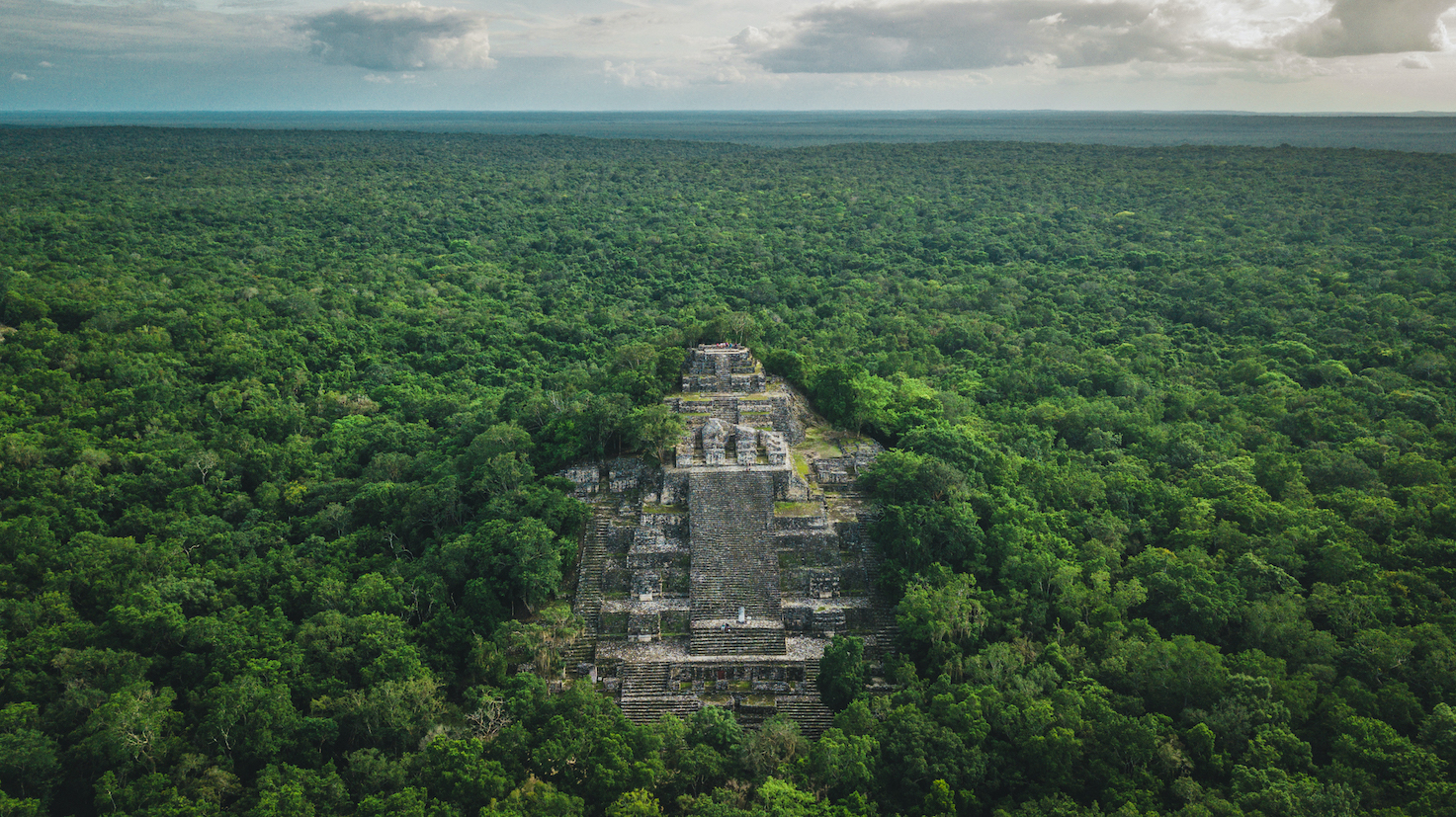
Before becoming a world-renowned tourist destination, the Riviera Maya was the heart of the ancient Maya civilization—a people whose worldview transcended the visible, creating a bridge between the natural and the spiritual realms. For the ancient Maya, every tree, animal, and body of water was far more than a part of the landscape; each was a symbol with its own meaning and a vital role in maintaining the balance of the universe. Today, many of the region’s endemic species continue to hold this profound cultural value, connecting an ancestral past with our present-day experience in the Riviera Maya.
The jaguar in Maya culture
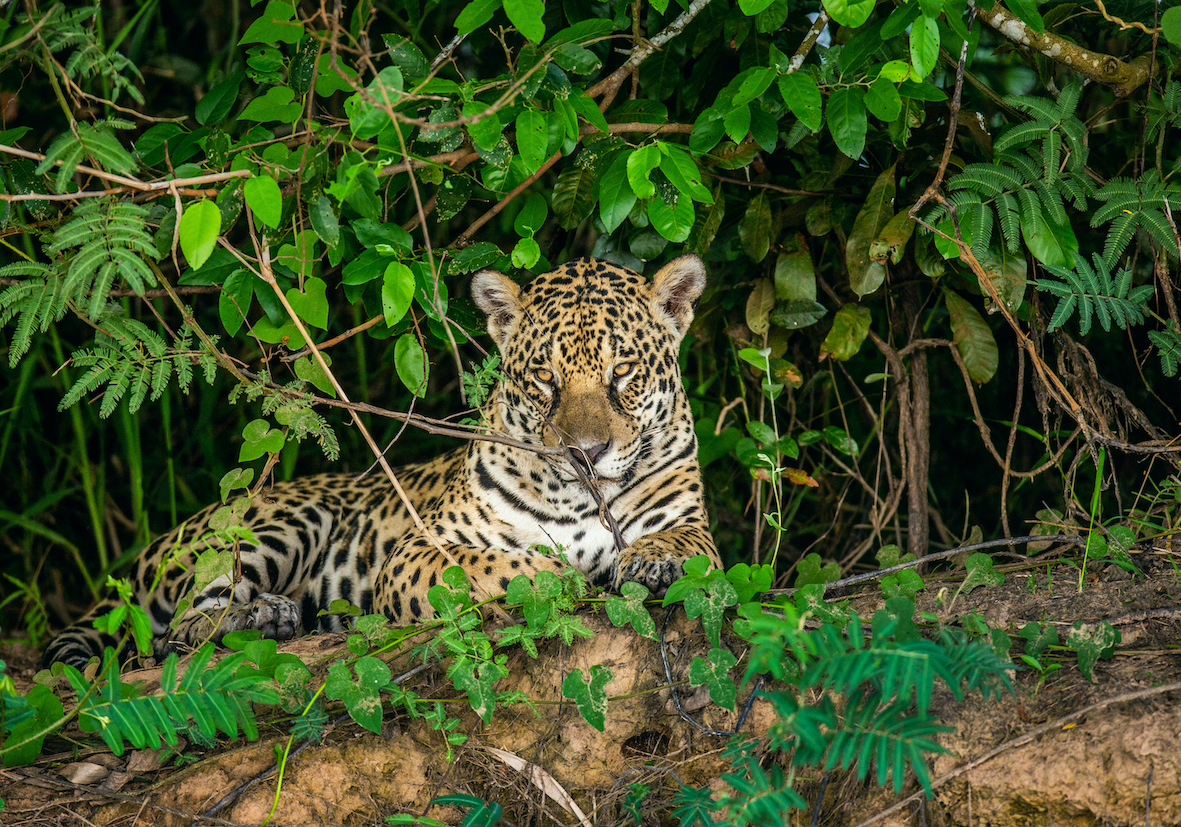
Known in the Maya language as balam, this powerful feline held a central place in Maya spirituality and iconography as a symbol of power, protection, and transformation. Due to its nocturnal habits, the jaguar was also regarded as a bridge between the world of the living and the realm of the dead, and thus seen as a spiritual guide. Many powerful figures, such as kings and leaders, wore jaguar pelts as a display of authority and strength.
The eagle as the strength of the sun
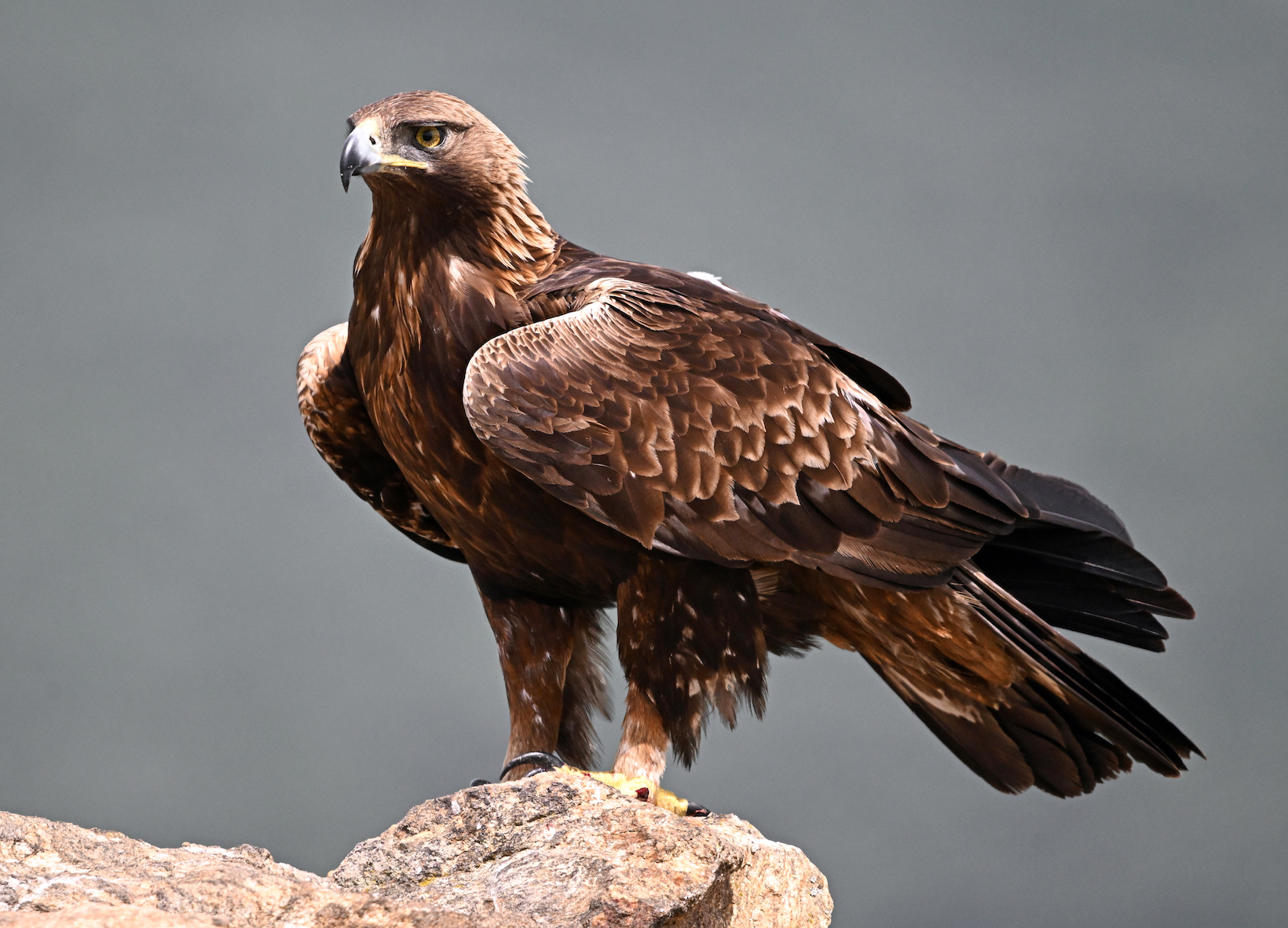
Majestic and graceful, the eagle was considered the opposing force to the jaguar, together representing a form of cosmic duality. As such, both figures often appear together in depictions of religious ceremonies. According to Maya belief, the eagle possessed the ability to foresee the future, acting as a messenger of the gods and offering guidance in important decision-making.
Kukulkán and the serpent, a symbol of wisdom
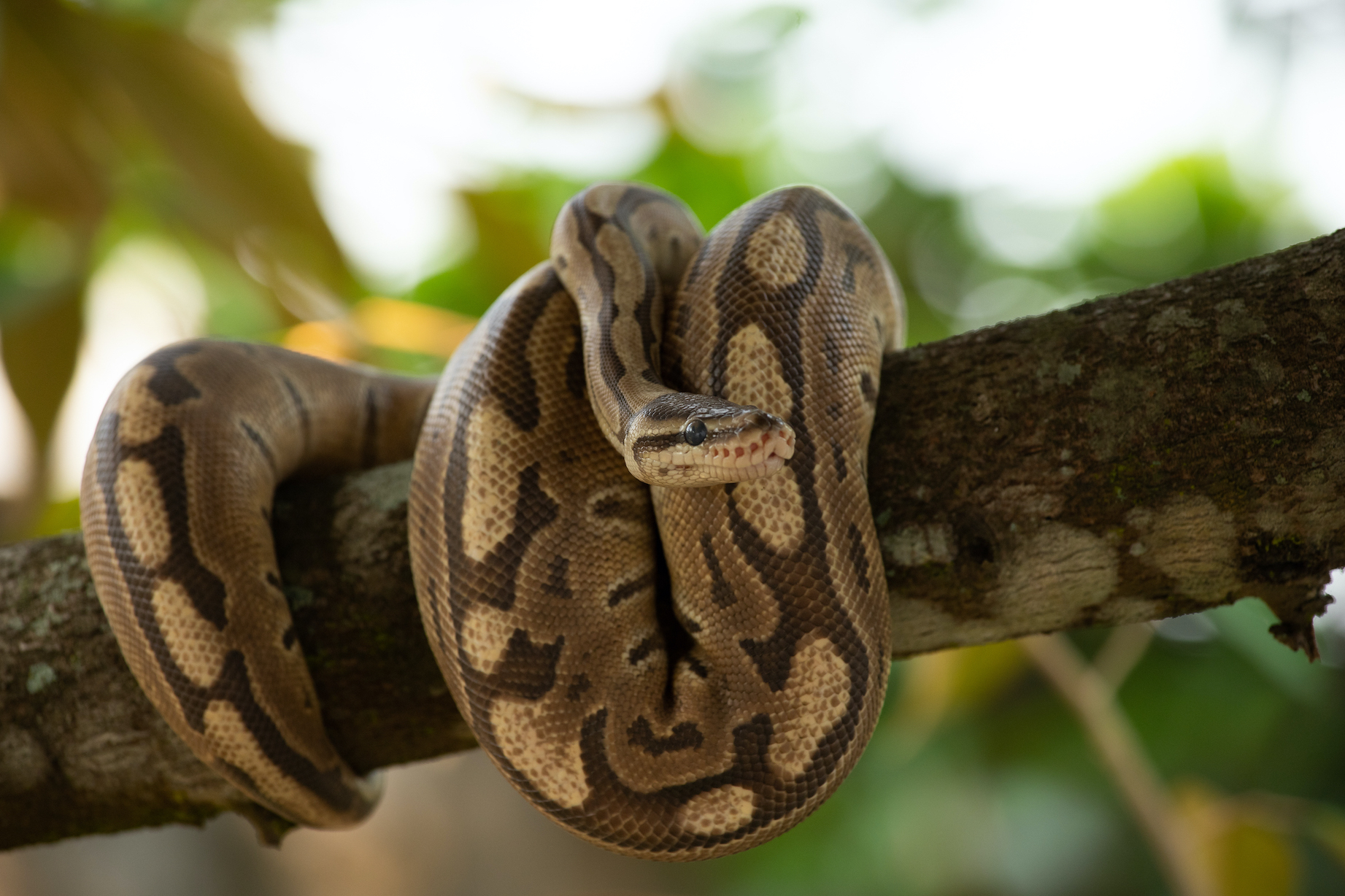
Throughout Mesoamerica, the serpent became a symbol of life both on and beneath the earth, most notably in its representation as Kukulkán, the feathered serpent. This deity embodied the connection between humanity and the divine. Serpent imagery appears in temples, sculptures, and narratives, closely associated with knowledge, the cycles of life, and the constant renewal of nature.
The turtle in Maya mythology: the earth as a shell of life
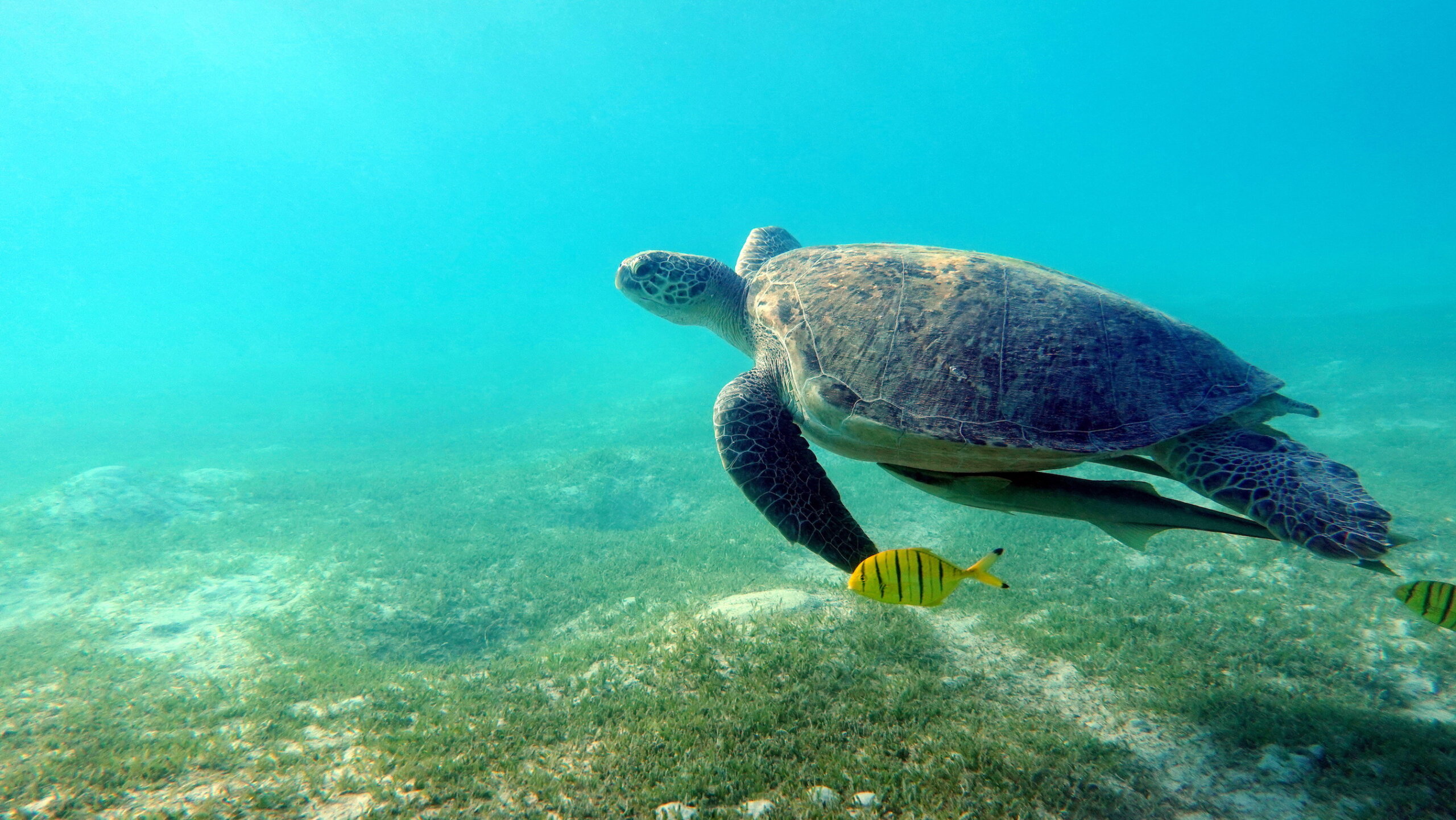
The turtle played a significant role in Maya cosmology, as it was believed that the earth was formed upon the back of a giant turtle. For the Maya, the turtle’s shell represented the land itself, and in many scenes of Maya creation myths, the Maize God is depicted emerging from a cracked turtle shell, symbolizing rebirth and renewal.
The tree that sustains the universe
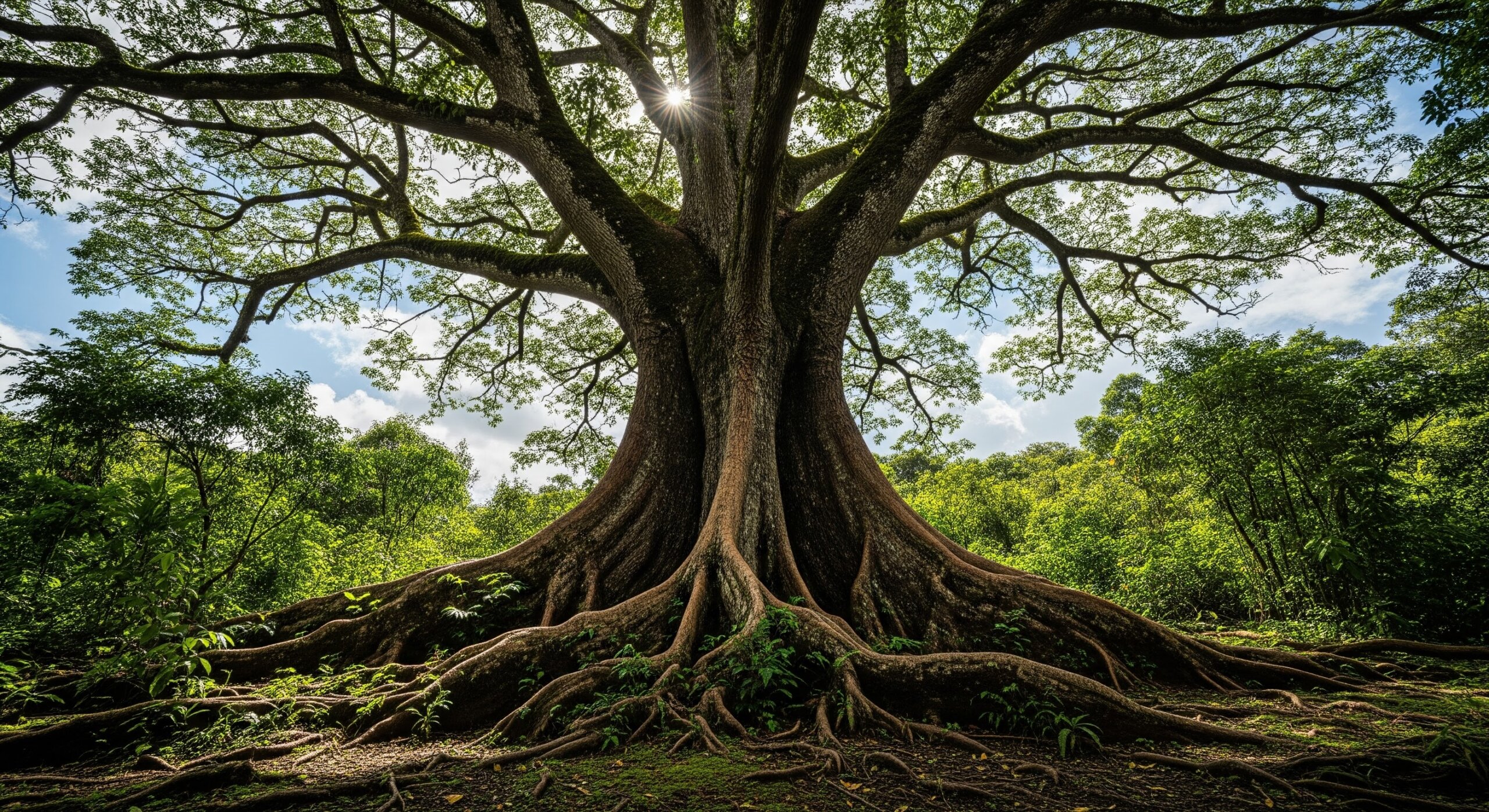
Known as yaxché, the ceiba is the sacred tree par excellence. In the Maya worldview, its roots extend into the underworld, its trunk represents the earthly realm, and its canopy rises toward the heavens—serving as a reminder of the connection between the different planes of existence.
Copal, the scent of the divine
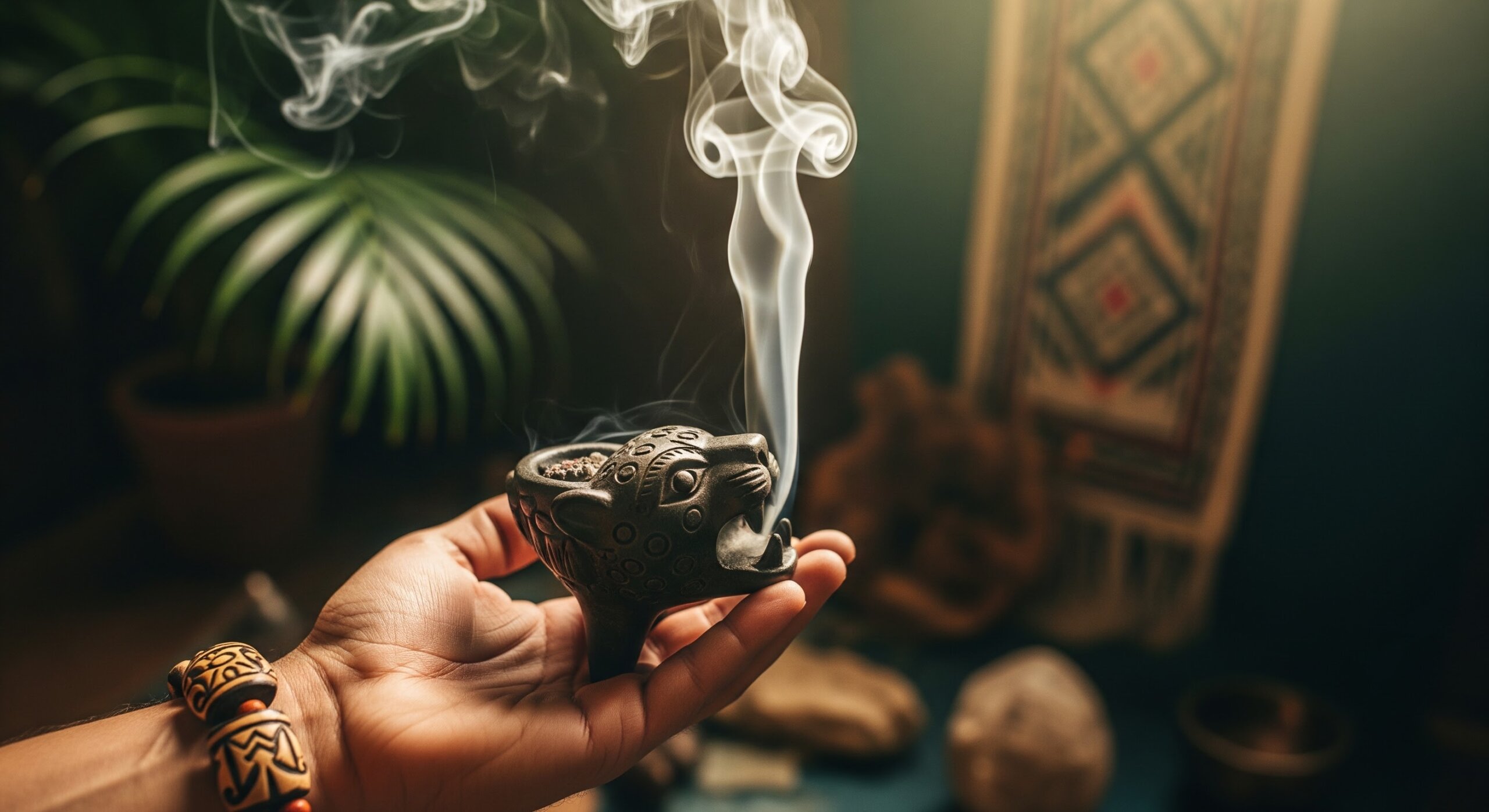
This aromatic resin, obtained from native trees, has been used since pre-Hispanic times in ceremonies and rituals. When burned, its smoke was believed to serve as a means of communicating with the gods and purifying sacred spaces. Its fragrance continues to be part of contemporary rituals and wellness practices inspired by Maya tradition.
Cenotes: portals to the spiritual world
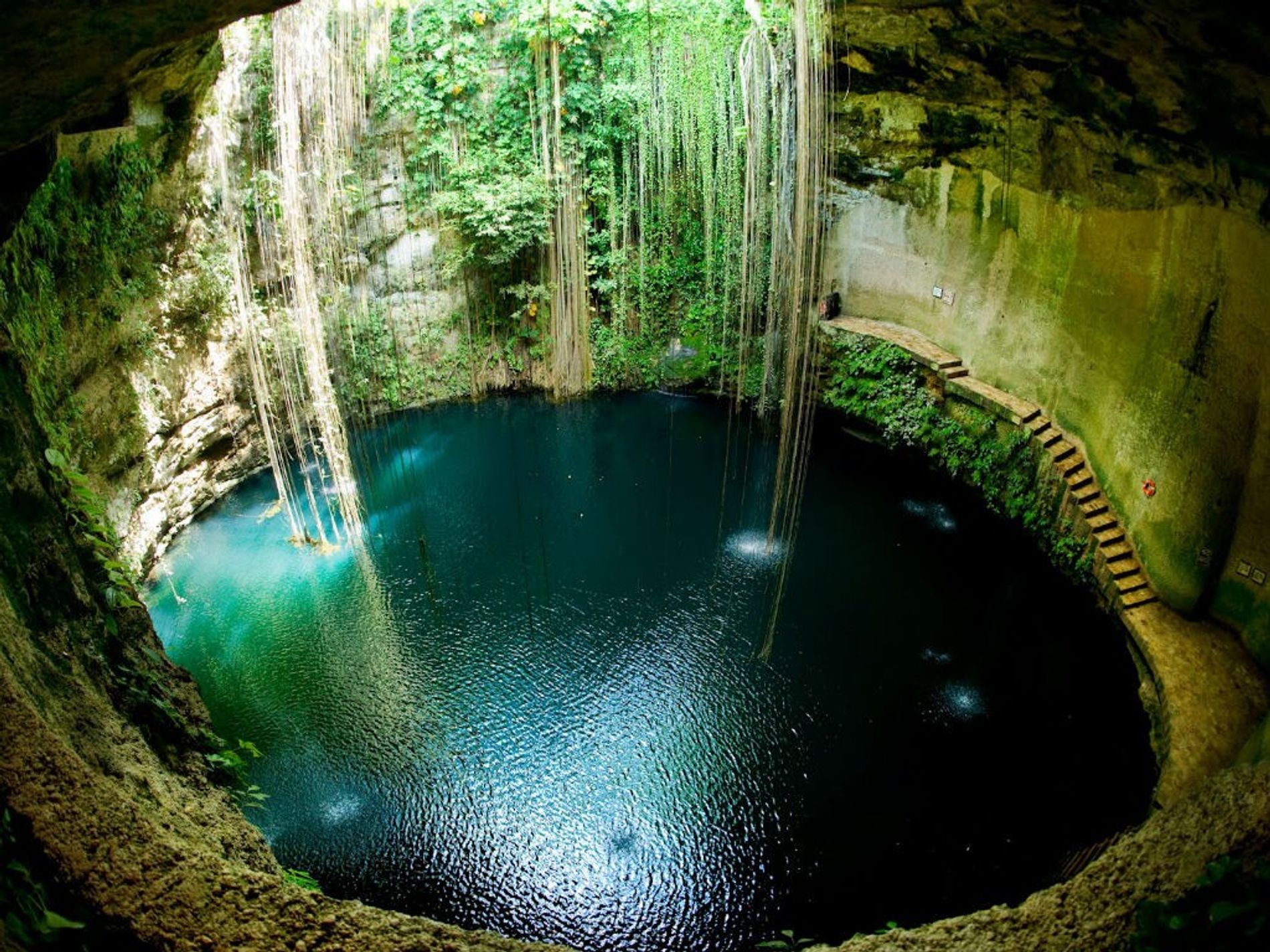
More than natural formations, cenotes, also known as sinkholes, were regarded as sacred portals to the underworld, known as xibalbá. These freshwater bodies served as ceremonial spaces for offerings and rituals and continue to symbolize life, renewal, and deep reverence for water as an essential element.
An ancestral heritage in the Riviera Maya
Exploring the Riviera Maya through the lens of its flora and fauna reveals a natural world that is not only seen but deeply felt. Behind every jaguar, every ceiba tree, and every cenote lie stories that speak of a sacred bond between humanity, nature, and the cosmos. This living legacy endures through traditions, flavors, aromas, and cultural practices that remain vibrant today. The biodiversity of the Riviera Maya is therefore not only an ecological treasure, but also a bridge to understanding a millennia-old culture that continues to thrive in this extraordinary destination.
-
Spring equinox in the Riviera Maya: A spectacle of light, history, and renewal
Each March, nature marks a moment of perfect balance between day and night: the spring equinox. In the Riviera Maya, this phenomenon takes on special…
Read more12 March, 2026 -
-
Create your bag charms and celebrate Mexican culture and artistry
This fall, Velas Resorts is introducing new workshops that focus on crafting unique bag charms. This initiative not only embraces the booming trend of bag…
Read more10 September, 2025 -
-
A Fun Cultural Vacation: Exploring Riviera Maya with Kids
Are you planning your next family getaway to the Riviera Maya? This vibrant destination is a dazzling blend of breathtaking beaches, fascinating history, and captivating…
Read more3 July, 2025 -


